
No products in the cart.

TOP RATED PRODUCTS
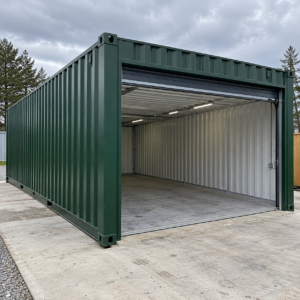
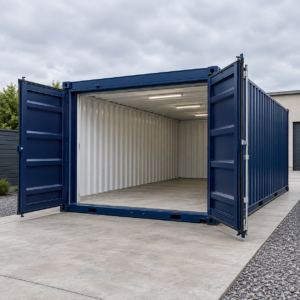
1,750.00$
buy shipping container garage
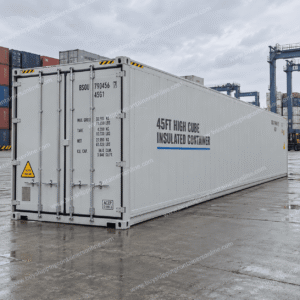
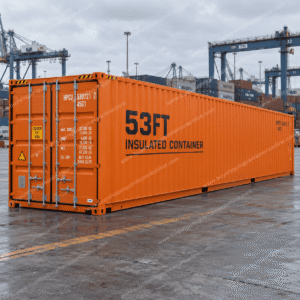
2,750.00$
buy shipping containers kansas


1,260.00$
buy shipping container for storage
Original price was: 1,560.00$.1,400.00$Current price is: 1,400.00$.
Shipping containers for sale Nigeria
Refrigerated Containers for Sale
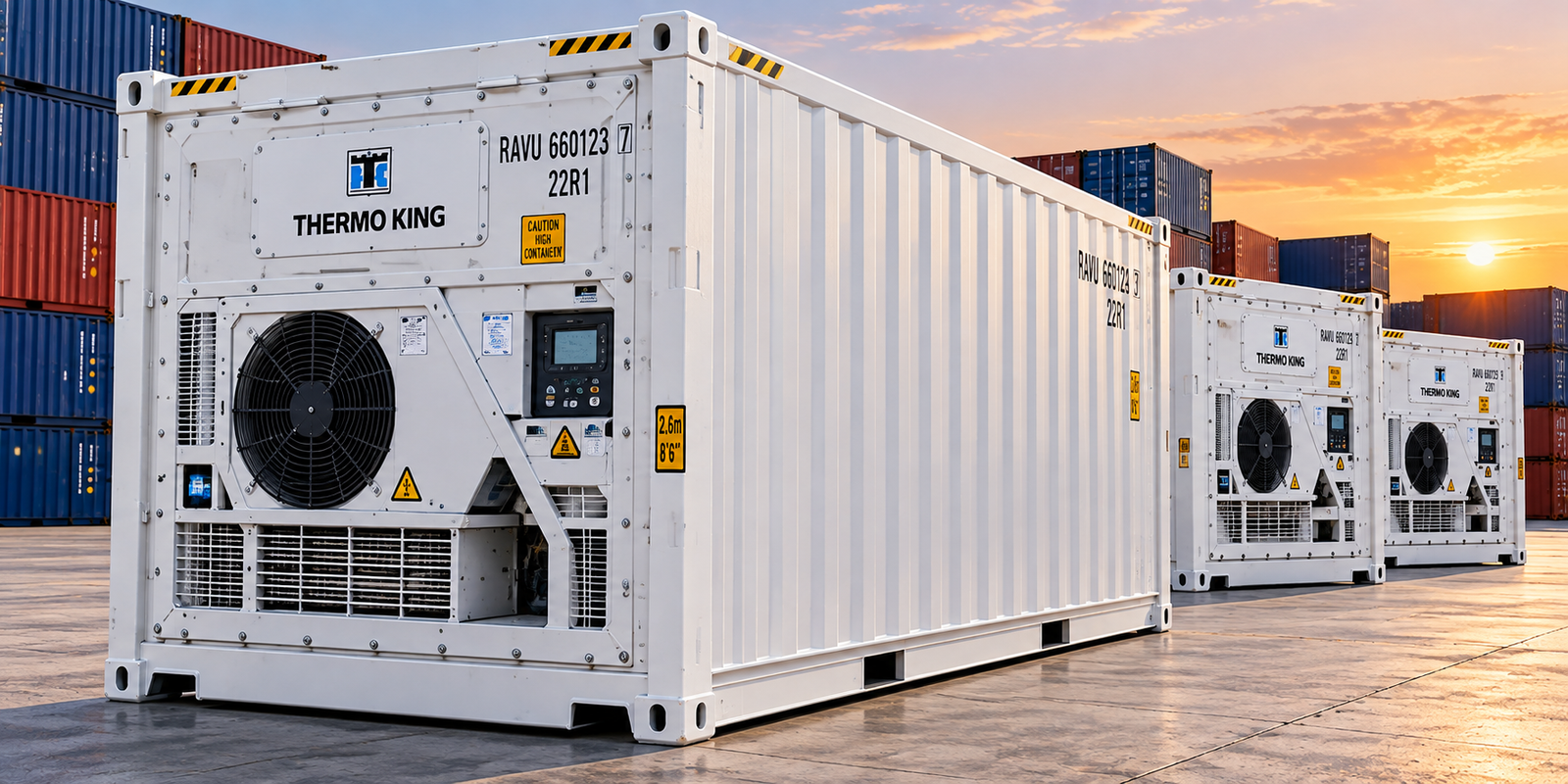
Refrigerated Containers for sale provide a practical option for businesses and organizations that need controlled-temperature space for cargo, inventory, products, and other temperature-sensitive applications. These containers, commonly called reefer containers, combine a shipping-container structure with an integrated refrigeration system designed to maintain controlled conditions inside the container.
When choosing a refrigerated container, the right option depends on what you need to store or transport, the required temperature conditions, available space, container size, condition, and delivery requirements. Our refrigerated container category is designed for customers researching, comparing, and purchasing containers for commercial, logistics, storage, agricultural, industrial, and other legitimate applications.
For general background on container construction and use, see Shipping Containers.
What Are Refrigerated Shipping Containers?
Refrigerated shipping containers are insulated cargo containers equipped with refrigeration equipment. Unlike standard dry containers, they are designed for applications where temperature control is an important part of protecting the contents.
Reefer containers are widely associated with the transportation and storage of temperature-sensitive goods. Depending on the specific container and refrigeration system, they can support applications that require chilled, refrigerated, or controlled-temperature environments.
Before purchasing, buyers should review the exact specifications of the individual container. Important details can include:
- Container dimensions
- Internal dimensions
- Refrigeration equipment
- Temperature-control capabilities
- Power requirements
- Door configuration
- Insulation
- Flooring
- Container condition
- Refrigeration-system condition
- Ventilation and airflow
- Documentation and service history, where available
The specifications of individual containers can vary, so buyers should always confirm the product information before placing an order.
Refrigerated Container Options
The right reefer container depends on your intended application and the amount of space you require.
Refrigerated Shipping Containers
Refrigerated shipping containers are designed for temperature-sensitive cargo and logistics applications. Their insulated construction and refrigeration equipment make them different from standard dry storage containers.
They may be considered for businesses that need temporary or longer-term temperature-controlled space.
Reefer Containers for Storage
A refrigerated container can also provide temperature-controlled storage where conventional storage space is not suitable for the products being kept.
Potential applications include commercial inventory, food-related storage, agricultural products, and other goods that require controlled environmental conditions.
Refrigerated Cargo Containers
For transportation applications, refrigerated cargo containers can provide an enclosed and insulated environment for temperature-sensitive shipments.
Before selecting one, consider the cargo type, required temperature conditions, transportation method, power availability, and expected operating environment.
Refrigerated Container Sizes and Configurations
Container size is one of the most important purchasing decisions.
Common shipping-container dimensions in the broader container market include 10-foot, 20-foot, 40-foot, and 40-foot high cube configurations. However, refrigerated containers are not necessarily available in every size or configuration, so buyers should verify the specifications of the particular product they are considering.
10-Foot Containers
A smaller refrigerated container can be useful where available space is limited and the required storage volume is relatively modest.
Consider factors such as:
- Available placement area
- Required internal capacity
- Access to the container
- Product volume
- Delivery access
20-Foot Refrigerated Containers
A 20-foot configuration can provide a balance between storage capacity and physical footprint. It may be suitable for businesses that need more space than a compact container provides without moving to a larger configuration.
40-Foot Refrigerated Containers
A 40-foot refrigerated container can provide substantially more cargo and storage space. It may be considered for larger inventories, commercial logistics, and higher-volume applications.
40-Foot High Cube Refrigerated Containers
High cube configurations provide additional internal height compared with standard-height containers of the same length. The additional clearance can be useful when cargo dimensions or loading requirements make vertical space important.
Availability and specifications vary by product, so always review the individual listing before purchasing.
Key Features to Consider
When comparing refrigerated containers for sale, look beyond the container’s external appearance. The refrigeration system and overall condition are especially important.
Insulation
Refrigerated containers use insulated construction to help control the internal environment. Inspect the condition of insulated panels and other components that can affect temperature control.
Refrigeration Equipment
The refrigeration unit is a critical component. Buyers should review available information about the equipment, operating condition, power requirements, and maintenance history where provided.
Doors and Seals
Door condition matters because damaged seals or poorly fitting doors can affect the container’s ability to maintain controlled conditions.
Flooring
Inspect the interior floor and consider whether its condition is suitable for the intended cargo and operating environment.
Container Condition
Refrigerated containers may be available in different conditions. Check the product listing for information about structural condition, corrosion, refrigeration equipment, interior condition, and other relevant details.
Common Applications for Refrigerated Containers
Refrigerated shipping containers can serve a range of commercial and industrial purposes.
Common applications include:
- Temperature-sensitive cargo transportation
- Commercial cold storage
- Food and beverage storage
- Agricultural product storage
- Distribution and logistics
- Inventory management
- Temporary temperature-controlled storage
- Seafood and frozen-product logistics
- Pharmaceutical-related logistics where the container specification is appropriate
- Commercial and industrial storage
- Export and import operations
The appropriate container depends on the product, required environmental conditions, operating location, and intended use.
How to Choose the Right Refrigerated Container
Choosing the right reefer starts with understanding your actual requirements.
1. Determine the Required Size
Estimate the amount of cargo or inventory you need to store. Remember to consider usable internal space rather than relying only on the external container dimensions.
2. Identify Your Temperature Requirements
Determine the temperature conditions required for your cargo. Different products have different storage and transportation requirements.
3. Check the Refrigeration System
Review the refrigeration equipment, power requirements, operating information, and available specifications before purchasing.
4. Consider Container Condition
Condition can affect suitability, maintenance requirements, and overall purchasing costs. Review the condition of the structure, insulation, doors, flooring, and refrigeration system.
5. Evaluate Your Location
Measure the intended placement area and check whether there is sufficient room for delivery, positioning, access, and operation.
6. Consider Power Requirements
Refrigerated containers require an appropriate power supply to operate their refrigeration equipment. Confirm the requirements for the specific unit before purchase.
7. Review Delivery Requirements
Consider access roads, available space, unloading conditions, and the equipment required to position the container at its destination.
What to Check Before Buying
Before purchasing refrigerated containers for sale, review the product specifications carefully.
Pay particular attention to:
- External dimensions
- Internal dimensions
- Refrigeration specifications
- Temperature capabilities
- Power requirements
- Door dimensions
- Door seals
- Insulation condition
- Floor condition
- Structural condition
- Corrosion
- Refrigeration-system condition
- Documentation available with the container
- Delivery and placement requirements
If you are unsure which configuration fits your requirements, compare the available specifications and contact the seller for product-specific information.
Shipping Containers for Sale for Commercial Buyers
Businesses purchasing shipping containers for sale should consider the container as part of the complete logistics or storage setup.
For temperature-sensitive products, the purchase decision may involve more than container size. You may also need to evaluate refrigeration requirements, electrical access, cargo loading, placement, transportation, and ongoing operating needs.
Whether you need a refrigerated container for cargo transportation, inventory storage, agriculture, commercial operations, or another legitimate application, comparing the available specifications can help you select a suitable configuration.
If you are also comparing standard container options, you can Buy shipping containers online and review the available container categories.
Why Buy From Buy Shipping Containers Online?
Buy Shipping Containers Online provides an online purchasing environment where customers can research container options and compare products based on their intended use.
For refrigerated container buyers, having clear product information is important because refrigeration equipment, dimensions, condition, and configuration can differ between individual units.
When comparing available options, focus on:
- Product specifications
- Container dimensions
- Intended application
- Refrigeration requirements
- Container condition
- Available configurations
- Delivery considerations
- Overall purchasing requirements
The goal is to help you identify a container that fits your practical requirements rather than choosing based on appearance or size alone.
Ready to Buy Refrigerated Containers?
Finding the right refrigerated container starts with identifying your cargo requirements, required temperature conditions, available space, and preferred container configuration.
Review the available products, compare specifications, and consider the complete delivery and placement requirements before purchasing. If you need assistance determining which option fits your application, contact the company for product-specific information.
When you are ready to compare available options, Buy shipping containers online and find a container suited to your requirements.
7. FAQs
What are refrigerated containers used for?
Refrigerated containers, also known as reefer containers, are used for transporting or storing products that require controlled-temperature conditions. Common applications include temperature-sensitive cargo, food-related logistics, agriculture, commercial storage, and distribution.
What sizes of refrigerated containers are available?
Refrigerated containers can be found in different sizes and configurations. Common shipping-container sizes include 20-foot and 40-foot units, while other configurations may also exist. Availability varies by product, so check the specifications of each container before purchasing.
What is the difference between a standard and refrigerated container?
A standard dry container is primarily designed for general cargo, while a refrigerated container has insulated construction and refrigeration equipment designed to control the internal environment.
Are refrigerated containers suitable for storage?
Yes. Refrigerated containers can be used for certain temperature-controlled storage applications. The appropriate unit depends on the products being stored, required conditions, available space, power supply, and container specifications.
How do I choose the right refrigerated container size?
Start by estimating the volume and dimensions of the cargo you need to store or transport. Then consider available placement space, loading access, transportation requirements, and the required internal capacity.
What should I check before buying a refrigerated container?
Review the container’s dimensions, refrigeration equipment, power requirements, insulation, doors and seals, flooring, structural condition, corrosion, and available documentation. Also consider delivery and placement requirements.
Can refrigerated containers be delivered?
Delivery depends on the individual product, destination, transportation arrangements, and site-access requirements. Buyers should confirm delivery options and placement requirements before purchasing.
How much do refrigerated containers cost?
The price of a refrigerated container can vary based on factors such as size, configuration, condition, refrigeration equipment, location, and transportation requirements. Review the specific product listing for current pricing and specifications.