
No products in the cart.
TOP RATED PRODUCTS
1,750.00$
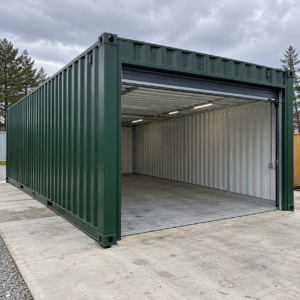
buy shipping container garage
2,750.00$
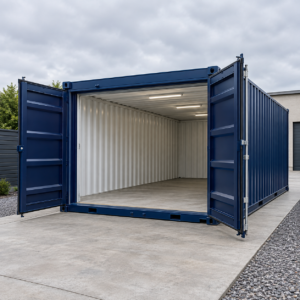
buy shipping containers kansas


1,260.00$
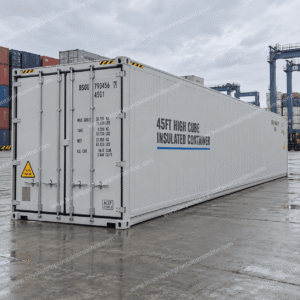
buy shipping container for storage
Original price was: 1,560.00$.1,400.00$Current price is: 1,400.00$.
Shipping containers for sale Nigeria
Shipping Containers Sale South Africa
Looking for Shipping Containers sale South Africa options for cargo, storage, construction, agriculture, or commercial use? This category makes it easier to compare shipping containers by size, configuration, condition, and intended application before making a purchase. Whether you need a container for transporting goods or creating secure on-site storage, choosing the right type and size is an important first step.
Shipping containers are designed around practical requirements such as cargo protection, handling, transportation, and secure storage. Depending on your project, you may need a standard container, a high-cube configuration, or another specialized option. Review each product’s specifications carefully to make sure the container fits your cargo, site, and delivery requirements.
For general background on the equipment and its uses, Shipping Containers are standardized units commonly used for transporting and storing goods.
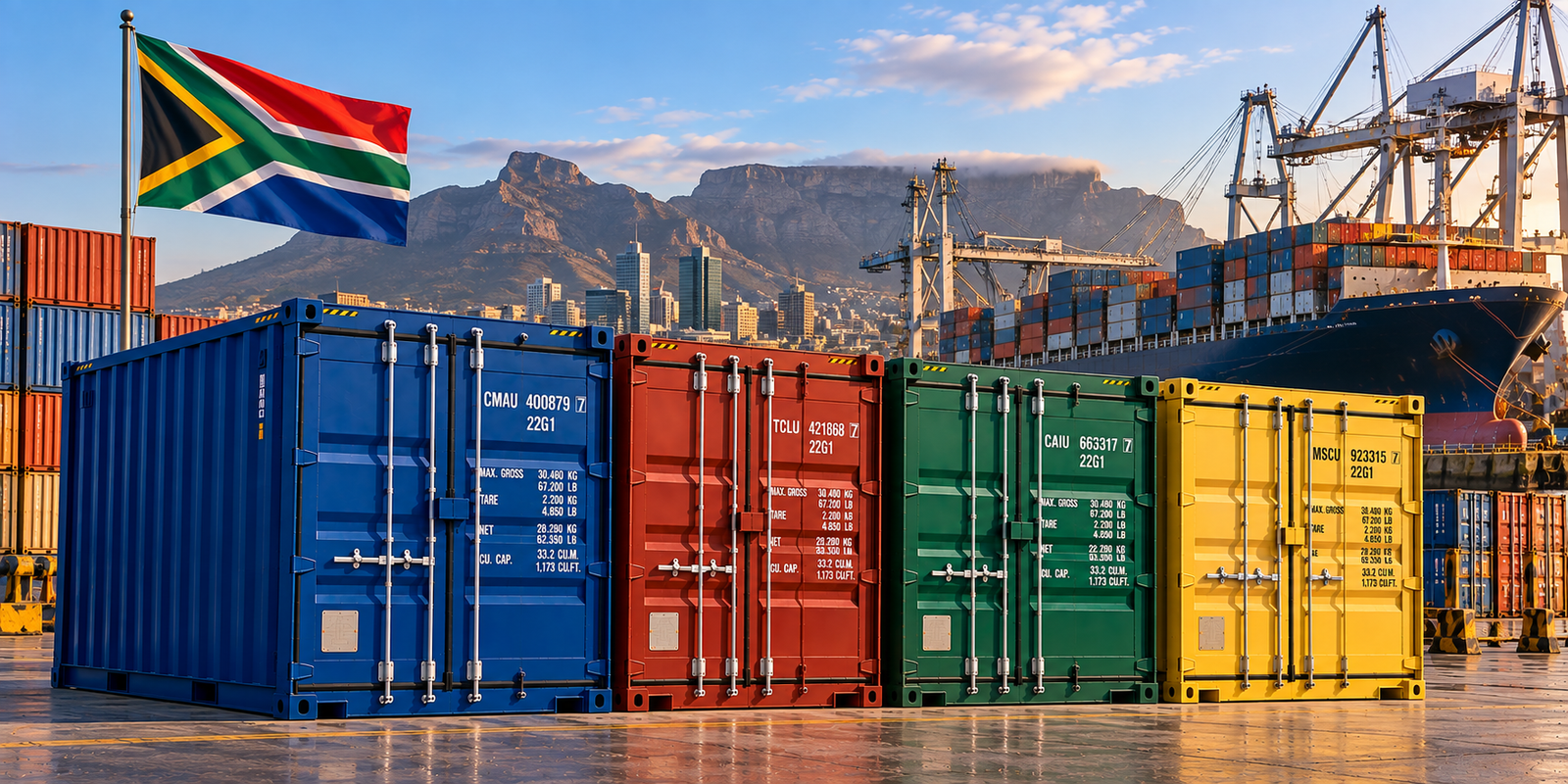
Shipping Containers for Sale in South Africa
The right container depends on what you plan to store or transport. Before ordering, consider the container’s dimensions, configuration, condition, access requirements, and intended use.
Depending on the products available in this category, options may include:
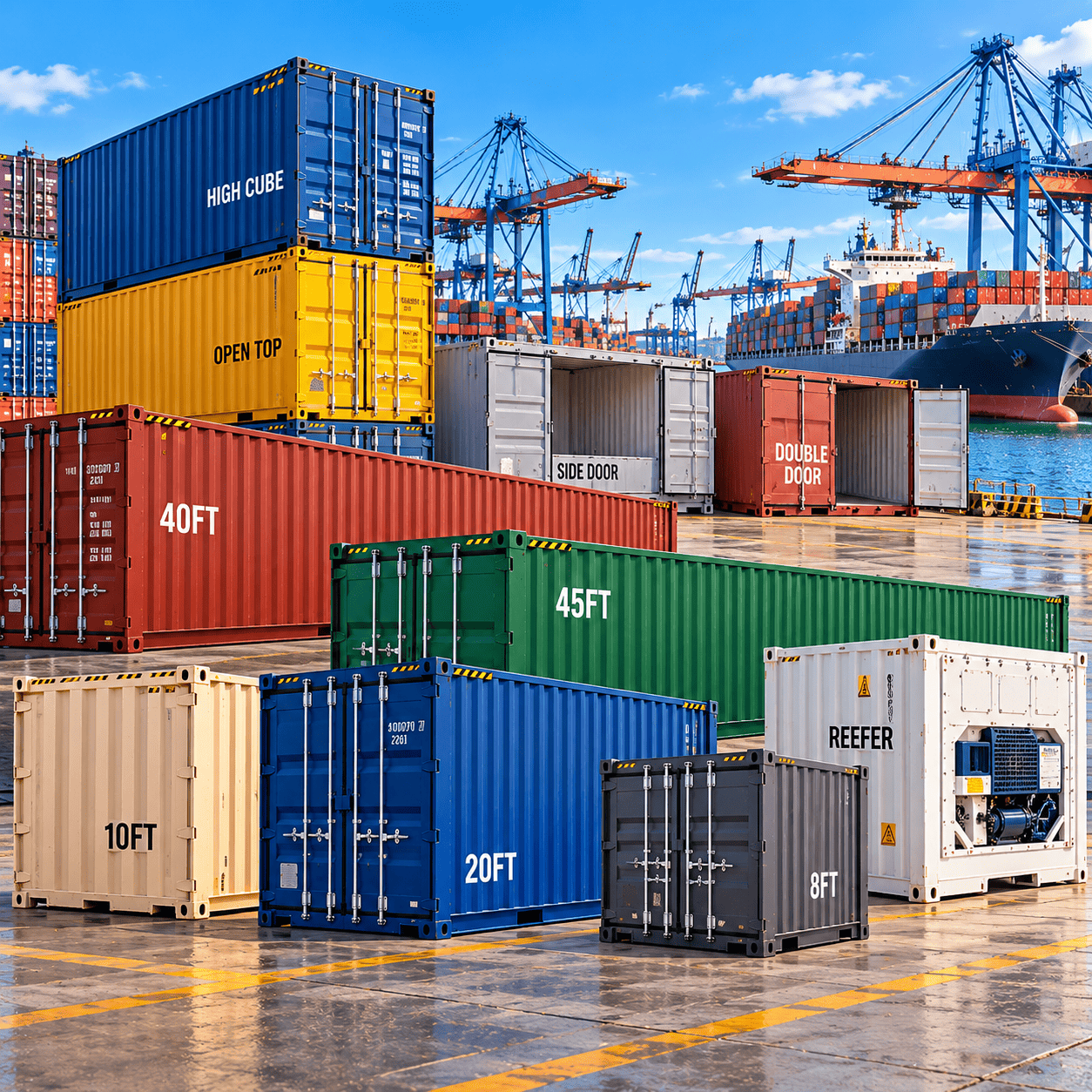
- Standard shipping containers: A practical choice for general cargo transportation and storage.
- 20-foot containers: A compact option when space is limited or the required cargo volume does not justify a larger container.
- 40-foot containers: Suitable when additional internal capacity is needed for larger cargo loads or storage requirements.
- 40-foot high cube containers: Provide additional interior height compared with standard-height containers, which can be useful for taller cargo or applications where extra vertical space matters.
- Other configurations: Specialized containers may be available depending on your particular cargo, storage, or commercial requirements.
Always check the individual product listing for the exact size, condition, configuration, and specifications before purchasing.
Choosing the Right Container Size
Container size is one of the most important factors when comparing shipping containers South Africa options. A container that is too small may limit your storage capacity, while a larger unit can require more space for placement and transportation.
Consider these factors before selecting a size:
- Cargo volume: Estimate the total amount of goods you need to transport or store.
- Available space: Measure the proposed placement area and allow sufficient room for access.
- Access requirements: Consider how people, vehicles, forklifts, or other equipment will reach the container.
- Storage requirements: Determine whether you need short-term inventory storage or a larger long-term storage area.
- Transportation: Consider the container’s size and how it will be moved to its destination.
- Intended application: Cargo transportation, commercial storage, construction, agriculture, and other uses may have different space requirements.
Do not select a container based on length alone. Interior dimensions, door openings, available height, and the type of goods being stored can all affect which option is suitable.
Key Features to Compare
When reviewing shipping containers for sale South Africa, look beyond the headline size. Product condition and practical features can have a major effect on suitability.
Depending on the specific container, consider:
- Steel construction
- Exterior and interior dimensions
- Door configuration
- Door opening dimensions
- Flooring condition
- Door seals
- Ventilation
- Signs of rust or corrosion
- Structural condition
- Interior clearance
- High-cube configuration
- Available documentation
- Loading and unloading requirements
If a particular specification is important to your project, verify it on the product page before placing your order. Specifications can vary between container types and individual units.
Common Uses for Shipping Containers
Shipping containers are used across many industries because they can support both transportation and storage requirements.
Common applications include:
Cargo Transportation
Containers provide a standardized format for moving goods through different stages of a supply chain. They can be used for commercial cargo, equipment, inventory, and other suitable goods.
Business Storage
Businesses can use containers to store stock, equipment, tools, materials, and other items where additional storage capacity is needed.
Construction Projects
Construction companies may use containers for equipment, materials, tools, and project-site storage.
Agriculture
Farms and agricultural operations may require additional space for suitable equipment, supplies, tools, and materials.
Commercial and Industrial Applications
Manufacturers, retailers, contractors, and other businesses may use containers as part of their wider storage and logistics operations.
The suitability of a particular container depends on the goods being stored, site conditions, access, and applicable requirements.
How to Choose the Right Shipping Container
If you are ready to buy shipping containers South Africa, compare the available products using a consistent set of criteria.
1. Determine the required size
Estimate your cargo volume and measure the available placement area.
2. Select the container type
Decide whether a standard container, high cube, or another configuration matches your requirements.
3. Review the condition
Check the listed condition and inspect important areas such as flooring, doors, seals, walls, roof, and structural components where applicable.
4. Consider your application
A container used for cargo transportation may have different priorities from one intended primarily for stationary storage.
5. Check access requirements
Make sure the delivery location provides adequate access for transportation and placement.
6. Consider delivery requirements
Confirm that the proposed location can accommodate the delivery process and the equipment required to position the container.
7. Compare specifications
Review dimensions, door configuration, features, condition, and other product information before comparing prices.
8. Confirm your budget
When comparing shipping container prices, consider the total purchase and delivery requirements rather than focusing only on the listed container price.
What to Check Before Buying
Before purchasing a container, review the product information carefully. Important considerations may include:
- External dimensions
- Internal dimensions
- Door size and configuration
- Container condition
- Floor condition
- Roof and wall condition
- Rust or corrosion
- Door seals
- Ventilation
- Placement area
- Delivery access
- Transportation requirements
- Documentation, where applicable
- Local site requirements
For storage applications, also consider how frequently you need access to the contents. For cargo applications, think about loading methods, cargo dimensions, and handling requirements.
Taking these factors into account can help you compare containers more effectively and reduce the risk of choosing a unit that does not fit your intended application.
Buy Shipping Containers Online
If you are comparing shipping containers online, having clear product information makes the buying process easier. You can compare container types, sizes, configurations, features, and other relevant specifications before deciding which option fits your requirements.
Our goal is to make it convenient for customers to research and purchase shipping containers for legitimate cargo, storage, commercial, industrial, agricultural, and construction applications.
If you already know the size and configuration you need, review the available products and compare their specifications. If you are still deciding, consider your cargo, available space, intended use, access requirements, and delivery needs first.
Why Buy From Buy Shipping Containers Online?
Buy Shipping Containers Online provides an online-focused way to research and purchase shipping containers. Customers can review available container options and compare products based on their intended application and specifications.
A straightforward online purchasing process can make it easier to:
- Browse different container options
- Compare sizes and configurations
- Review product specifications
- Identify containers suited to storage or cargo
- Consider different applications
- Make an informed purchasing decision
Product specifications should always be reviewed before ordering because container characteristics can differ between products.
Ready to Buy Shipping Containers?
If you have identified the size, type, condition, and configuration that match your requirements, you can Buy shipping containers online and review the available options.
Before completing your purchase, confirm the container specifications, intended use, placement requirements, and delivery considerations. If you need help deciding between available options, review the product details and contact the company for assistance with your selection.
7. FAQs
What sizes of shipping containers are available?
Shipping containers commonly come in different sizes, including 20-foot and 40-foot configurations. Some categories may also include 10-foot or 40-foot high cube options. Check the individual product listing to confirm the sizes available.
What type of shipping container should I buy?
The appropriate container depends on your intended use, cargo volume, available space, access requirements, and budget. Compare the container’s size, configuration, condition, and specifications before purchasing.
What is the difference between standard and high cube containers?
A high cube container provides additional interior height compared with a standard-height container of the same general length. This can be useful when additional vertical clearance is important.
Are shipping containers suitable for storage?
Yes. Shipping containers can be used for many storage applications, including suitable business inventory, equipment, tools, construction materials, and agricultural supplies. The appropriate container depends on the items being stored and the storage environment.
What should I check before buying a shipping container?
Review the dimensions, door configuration, condition, flooring, doors and seals, ventilation, corrosion, structural condition, delivery access, and any relevant documentation or site requirements.
How do I choose the right container size?
Start by estimating the volume and dimensions of the goods you need to store or transport. Then compare those requirements with the container’s internal dimensions, door opening, available height, and the space available at your destination.
Can shipping containers be delivered?
Delivery depends on the specific purchase and destination. Before ordering, confirm the delivery requirements for your location and make sure there is adequate access for transportation and placement.
How much does a shipping container cost?
Shipping container prices vary according to factors such as size, type, condition, configuration, location, and delivery requirements. Review the current product information and consider transportation costs when comparing options.
No products were found matching your selection.