
No products in the cart.
TOP RATED PRODUCTS
1,750.00$
buy shipping container garage
2,750.00$
buy shipping containers kansas


1,260.00$
buy shipping container for storage
Original price was: 1,560.00$.1,400.00$Current price is: 1,400.00$.
Shipping containers for sale Nigeria
Shipping Containers for Sale in Rhode Island
Looking for shipping containers for sale in Rhode Island for cargo, storage, construction, agriculture, commercial use, or other practical applications? This category makes it easier to compare shipping container options based on size, configuration, condition, intended use, and site requirements. Whether you need a container for business inventory, equipment storage, transportation, or a project site, choosing the right specifications is an important first step.
Shipping containers are built around practical requirements such as secure cargo storage, transportation, handling, and protection from outdoor conditions. Before purchasing, consider the amount of space you need, where the container will be placed, how it will be delivered, and how you plan to use it.
For general background on container design and use, see Shipping Containers.
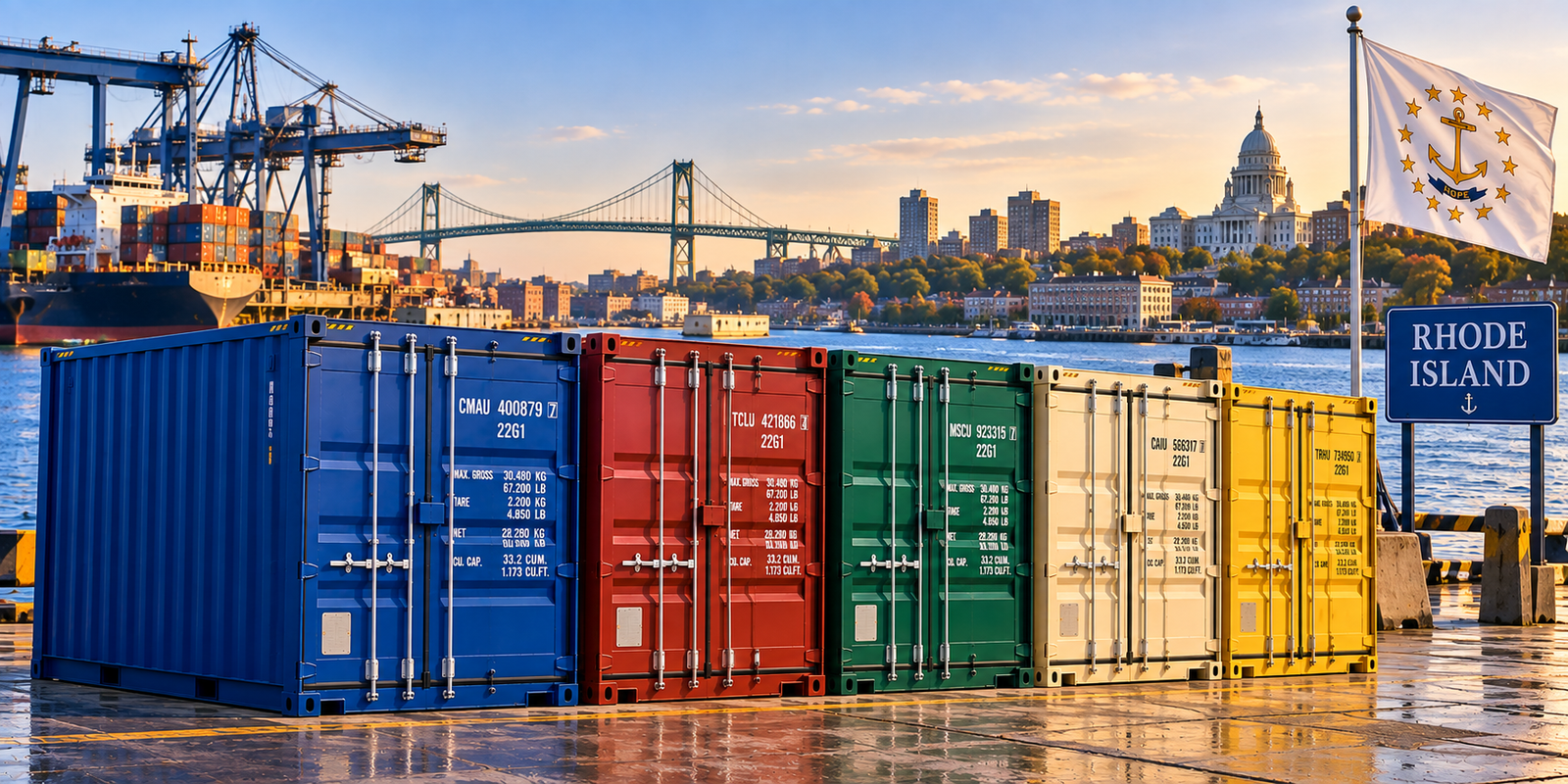
Shipping Containers for Sale Rhode Island: Category Overview
This category is designed for customers researching and purchasing shipping containers in Rhode Island. Available options can vary by product, so review each individual listing for its specific dimensions, configuration, condition, features, and other product information.
Depending on the product selected, shipping containers may be suitable for:
- Cargo transportation
- Commercial storage
- Equipment storage
- Construction projects
- Agricultural applications
- Inventory storage
- Manufacturing operations
- Retail and business storage
- Import and export logistics
- On-site project storage
When comparing containers, focus on the specifications that directly affect your intended application rather than selecting a container based only on appearance or price.
Container Options to Consider
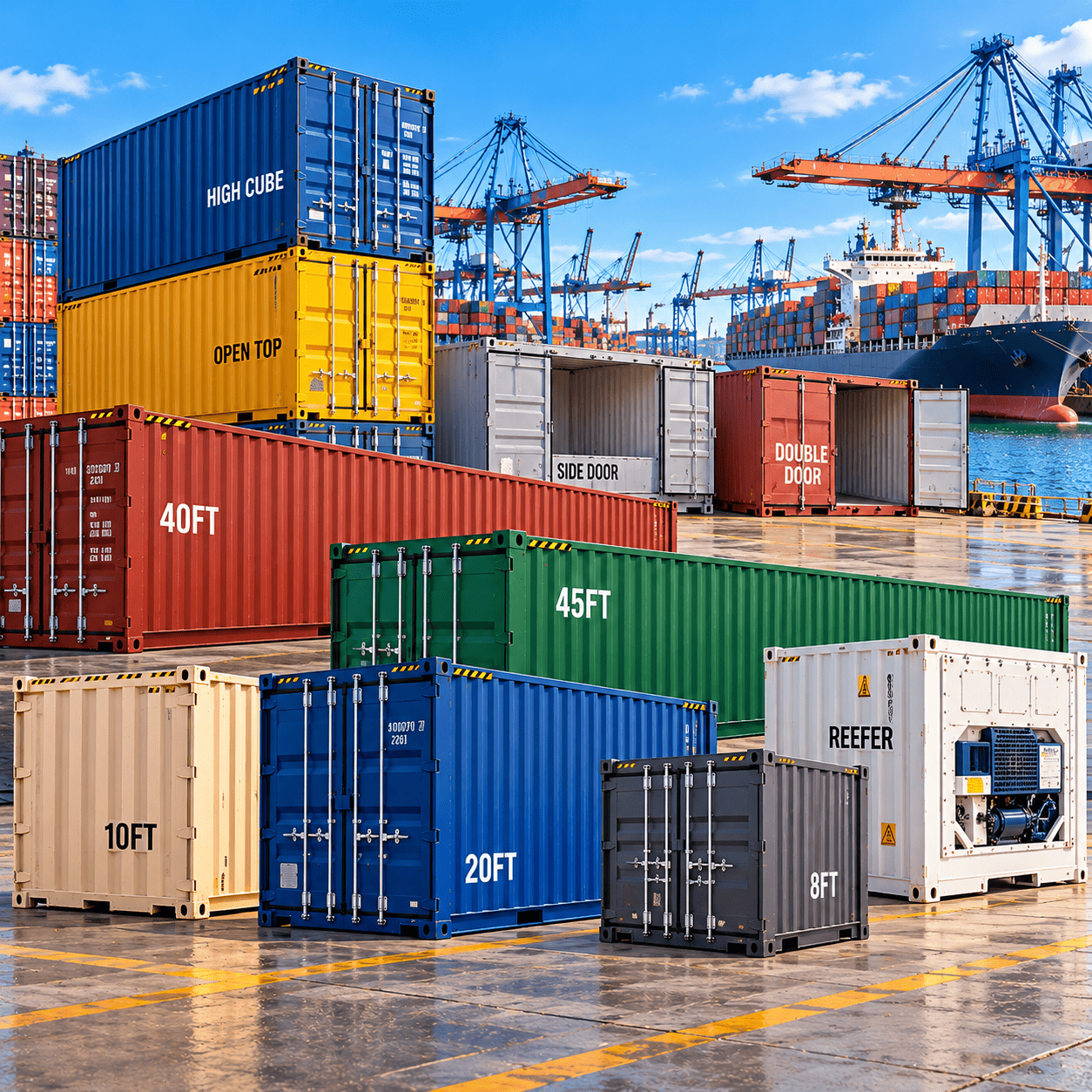
Standard Shipping Containers
Standard containers are commonly considered for general cargo transportation and storage. They can provide enclosed space for equipment, inventory, supplies, and other suitable goods.
They may be a practical choice when you need a conventional container configuration without additional height or specialized features.
High Cube Shipping Containers
High cube containers provide additional interior height compared with standard-height containers of similar length. The additional vertical clearance can be useful when storing taller items or when maximizing usable interior volume is important.
Consider a high cube configuration when your cargo, shelving, equipment, or storage plans would benefit from additional overhead space.
Cargo and Storage Containers
A shipping container can serve different purposes depending on its specifications and condition. Buyers may consider containers for transporting cargo or creating secure enclosed storage at a commercial or project location.
Always review the individual product information to determine whether a particular container is appropriate for your intended use.
Shipping Container Sizes and Configurations
Container size is one of the most important purchasing decisions.
Common industry sizes include 10-foot, 20-foot, and 40-foot containers, along with 40-foot high cube configurations. However, available sizes and configurations depend on the specific products offered in this category.
10-Foot Containers
A 10-foot container can be considered when available site space is limited and a smaller enclosed storage footprint is preferred. It may work well for selected equipment, supplies, tools, or inventory storage applications.
20-Foot Containers
A 20-foot container is a common option for customers who need enclosed cargo or storage space while maintaining a relatively manageable footprint. It can be suitable for many commercial, construction, agricultural, and general storage applications.
40-Foot Containers
A 40-foot container provides substantially more length than a 20-foot option. Buyers with larger cargo volumes or greater storage requirements may consider this configuration.
Before ordering, make sure your property has adequate space for placement, delivery, access, and any required handling equipment.
40-Foot High Cube Containers
A 40-foot high cube container combines additional length with increased vertical clearance. It can be useful when both cargo volume and interior height are important considerations.
The right size depends on more than cargo volume. Also consider your available property, access routes, placement area, delivery requirements, and how frequently the container will need to be accessed.
Key Features to Evaluate
When comparing shipping containers for sale, pay close attention to the product specifications provided for each option.
Important factors can include:
- Exterior dimensions
- Interior dimensions
- Door configuration
- Door opening dimensions
- Container height
- Flooring
- Ventilation
- Steel construction
- Structural condition
- Rust or corrosion
- Door seals
- Locking arrangements
- Container condition
- Specialized configurations
- Available documentation where applicable
Container condition is particularly important for buyers purchasing used equipment. Examine the available product information carefully and consider how the container’s condition matches your intended use.
Avoid assuming that every container has identical specifications. Dimensions, features, condition, and configuration can vary between products.
Common Uses in Rhode Island
Shipping containers can support a wide range of legitimate commercial and practical applications.
Cargo Transportation
Containers are designed around the movement and protection of cargo. Businesses involved in logistics, importing, exporting, manufacturing, and distribution may use suitable containers for cargo handling.
Commercial Storage
Businesses can use containers to store suitable inventory, equipment, supplies, tools, and materials where an enclosed storage solution is appropriate.
Construction Projects
Construction companies and contractors may use containers for storing tools, materials, equipment, and project supplies at suitable work locations.
Agriculture
Agricultural operations may consider containers for appropriate equipment, supplies, tools, and other storage requirements.
Equipment and Inventory Storage
A container can provide enclosed space for businesses that need additional storage capacity without immediately expanding an existing building.
The appropriate use depends on the container specifications, site conditions, contents, and applicable local requirements.
How to Choose the Right Shipping Container
Choosing the right container starts with defining how you intend to use it.
Consider these factors:
- Size: Estimate the volume of cargo, equipment, or inventory you need to store.
- Container type: Determine whether a standard or high cube configuration better fits your requirements.
- Condition: Compare available condition information carefully, particularly when purchasing a used container.
- Intended use: A container used for cargo transportation may have different requirements from one used primarily for on-site storage.
- Location: Consider the Rhode Island property where the container will be delivered and placed.
- Access: Check whether delivery equipment can safely reach the intended placement area.
- Delivery: Consider the road, driveway, entrance, overhead clearance, and turning space available at the site.
- Cargo requirements: Consider dimensions, weight, loading method, and access requirements.
- Budget: Compare the total purchase and delivery costs rather than looking only at the listed container price.
- Required features: Identify any specific door, height, ventilation, flooring, or configuration requirements before ordering.
Important Rhode Island Placement Considerations
If you plan to place a shipping container on property in Rhode Island, check local requirements before delivery. Rhode Island’s building-code framework incorporates state building regulations and locally applicable requirements.
A Rhode Island State Building Commission interpretation also explains that when a shipping container is removed from its transport trailer and placed on a site, it can become subject to applicable zoning, fire, and building-code requirements.
Local rules can differ. For example, East Providence has specific requirements for temporary trailers and storage containers, while North Smithfield has its own restrictions concerning shipping containers.
Therefore, before ordering, check the requirements that apply to your specific city or town, property, and intended use. Also verify that the delivery location can accommodate the equipment needed to position the container safely.
Buying Considerations Before Ordering
Before purchasing a container, review the product information and your site requirements carefully.
Check:
- Container dimensions
- Interior and exterior space
- Door configuration
- Floor condition
- Structural condition
- Visible rust or corrosion
- Door operation and seals
- Ventilation
- Placement surface
- Delivery access
- Overhead clearance
- Turning space
- Local zoning or placement requirements
- Transportation costs
- Documentation supplied with the container
A little planning can help prevent problems after purchase. In particular, confirm the container dimensions against the available space before arranging delivery.
Shop Shipping Containers Online
Customers comparing shipping containers for sale Rhode Island can use the product information on each listing to evaluate available options according to their project requirements.
Whether you need a container for storage, cargo, equipment, inventory, agriculture, construction, or commercial use, compare the available sizes and configurations before making your selection.
For customers ready to begin comparing available products, Buy shipping containers online provides a convenient way to browse shipping-container options and review product information.
Why Buy From Buy Shipping Containers Online?
Buying a shipping container is a practical purchase, so clear product information and convenient comparison are important.
Buy Shipping Containers Online focuses on making the purchasing process easier by providing customers with access to shipping-container options in an online shopping environment.
Customers can:
- Browse available container options
- Compare different sizes and configurations
- Review product specifications
- Consider containers for storage or cargo
- Research options before purchasing
- Select products based on their intended application
- Contact the company when additional product guidance is needed
The most suitable container depends on your specific requirements. Review the information provided for each product and make sure the selected container fits both your intended use and delivery location.
Ready to Buy Shipping Containers in Rhode Island?
If you have identified the size, configuration, condition, and features you need, you can move forward by reviewing the available products and comparing their specifications.
Take time to confirm your site dimensions, delivery access, intended application, and local placement requirements before completing your purchase.
When you are ready to compare available options, Buy shipping containers online and find a container that fits your project requirements.
7. FAQs
What sizes of shipping containers are available?
Common shipping-container sizes include 10-foot, 20-foot, and 40-foot configurations, as well as 40-foot high cube containers. Actual availability depends on the products listed in the category.
What type of shipping container should I buy?
The appropriate container depends on your intended use, available space, cargo volume, required height, condition requirements, and delivery location. Compare the specifications of each available product before purchasing.
What is the difference between a standard and high cube container?
A high cube container provides additional vertical interior clearance compared with a standard-height container of the same general length. This can be useful when additional overhead space is important.
Are shipping containers suitable for storage?
Yes. Shipping containers can be used for many suitable storage applications, including equipment, inventory, tools, supplies, and project materials. The specific container condition and configuration should match the intended storage use.
What should I check before buying a shipping container?
Review the container’s dimensions, condition, flooring, doors, seals, ventilation, structural condition, corrosion, and available documentation. You should also confirm that your property can accommodate delivery and placement.
How do I choose the right container size?
Start by estimating the volume and dimensions of the items you plan to store or transport. Then consider available property space, access requirements, delivery conditions, and whether additional interior height is needed.
Can shipping containers be delivered in Rhode Island?
Delivery arrangements depend on the specific purchase and delivery circumstances. Before ordering, confirm that the destination has suitable access, clearance, space, and placement conditions for the container and delivery equipment.
How much does a shipping container cost?
Shipping-container prices vary according to factors such as size, type, condition, configuration, and delivery requirements. Review the current product information and consider delivery costs when comparing options.


buy shipping containers rhode-island
2,700.00$