
No products in the cart.
TOP RATED PRODUCTS
1,750.00$
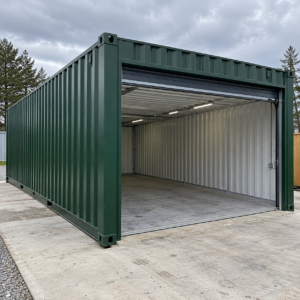
buy shipping container garage
2,750.00$
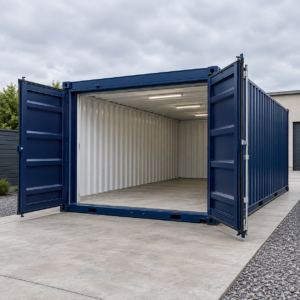
buy shipping containers kansas


1,260.00$
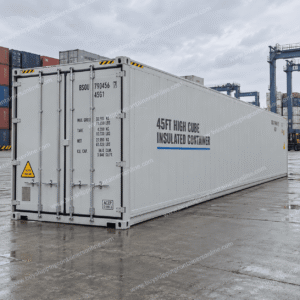
buy shipping container for storage
Original price was: 1,560.00$.1,400.00$Current price is: 1,400.00$.
Shipping containers for sale Nigeria
Shipping Containers for Sale Virginia
Looking for shipping containers for sale Virginia buyers can use for cargo, storage, construction, agriculture, business, or other practical applications? This category makes it easier to compare shipping container options by size, configuration, condition, and intended use. Whether you need a container for moving goods, storing equipment, protecting inventory, or supporting a commercial project, choosing the right configuration starts with understanding your space, cargo, and access requirements.
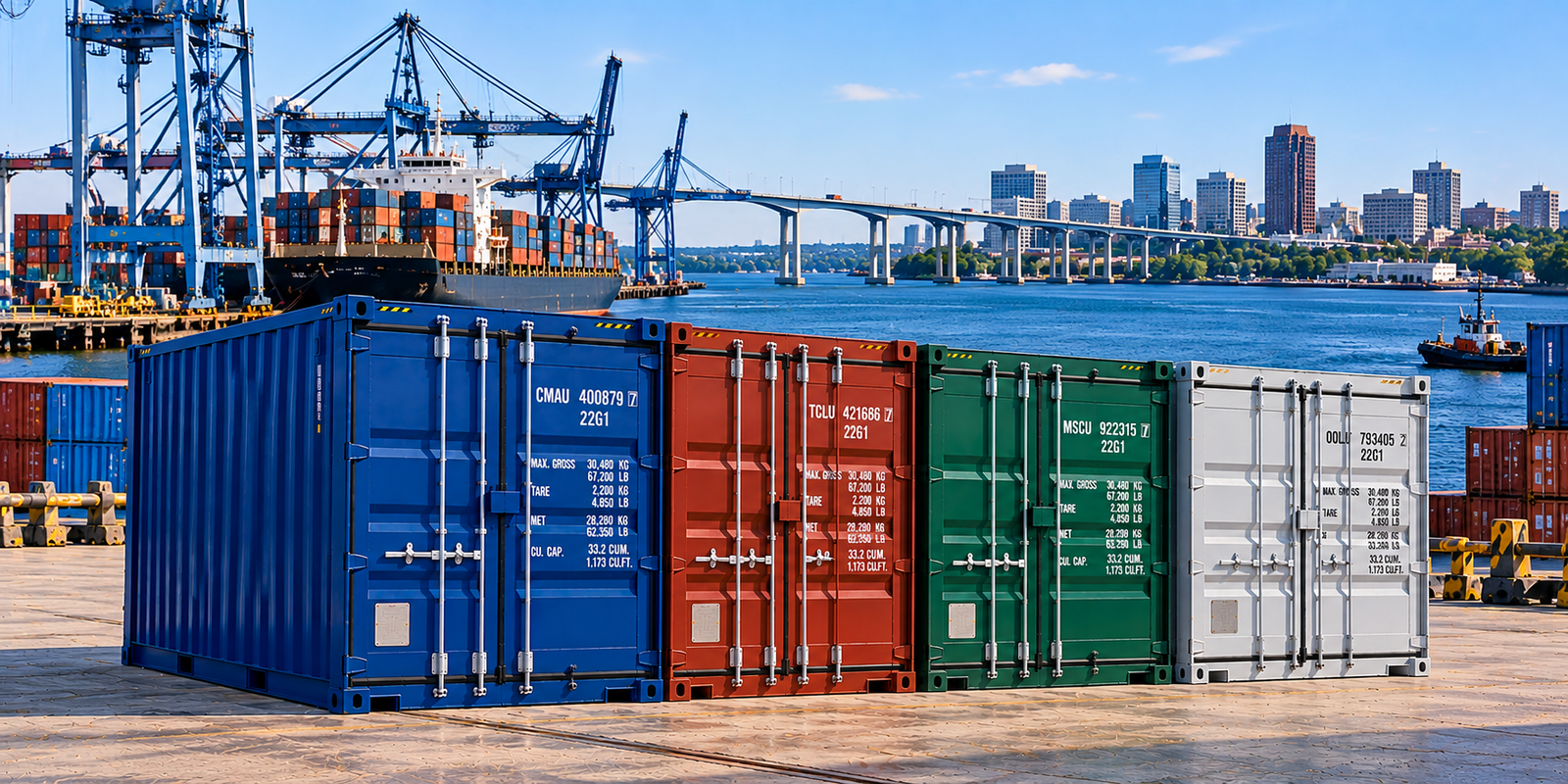
Shipping containers are built around practical requirements for transporting and storing goods. Their standardized dimensions make them useful across many industries, while their steel construction provides a durable structure for a wide range of applications. For general background, the term Shipping Containers covers standardized containers designed primarily for the efficient movement of cargo.
Shipping Containers for Sale in Virginia for Different Applications
The right container depends on what you plan to store, transport, or protect. Buyers in Virginia may consider containers for:
- Cargo transportation and logistics
- On-site business storage
- Construction materials and equipment
- Agricultural supplies and tools
- Manufacturing and industrial storage
- Retail inventory
- Commercial storage requirements
- Import and export cargo
- Equipment and machinery storage
- Temporary or project-based storage
Before purchasing, consider both the container itself and the location where it will be placed. Available access, ground conditions, clearance, and delivery requirements can all affect which option is practical.
Container Options to Consider
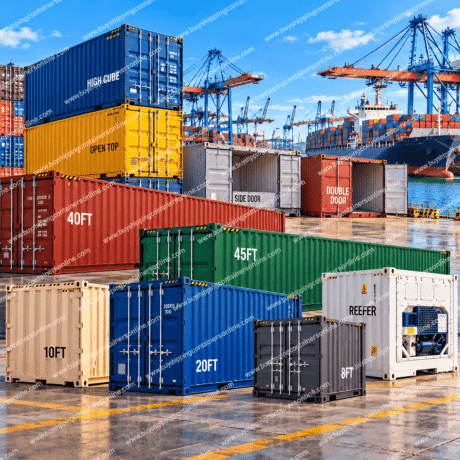
Shipping containers are available in different sizes and configurations. The appropriate choice depends on the amount and type of cargo you need to accommodate.
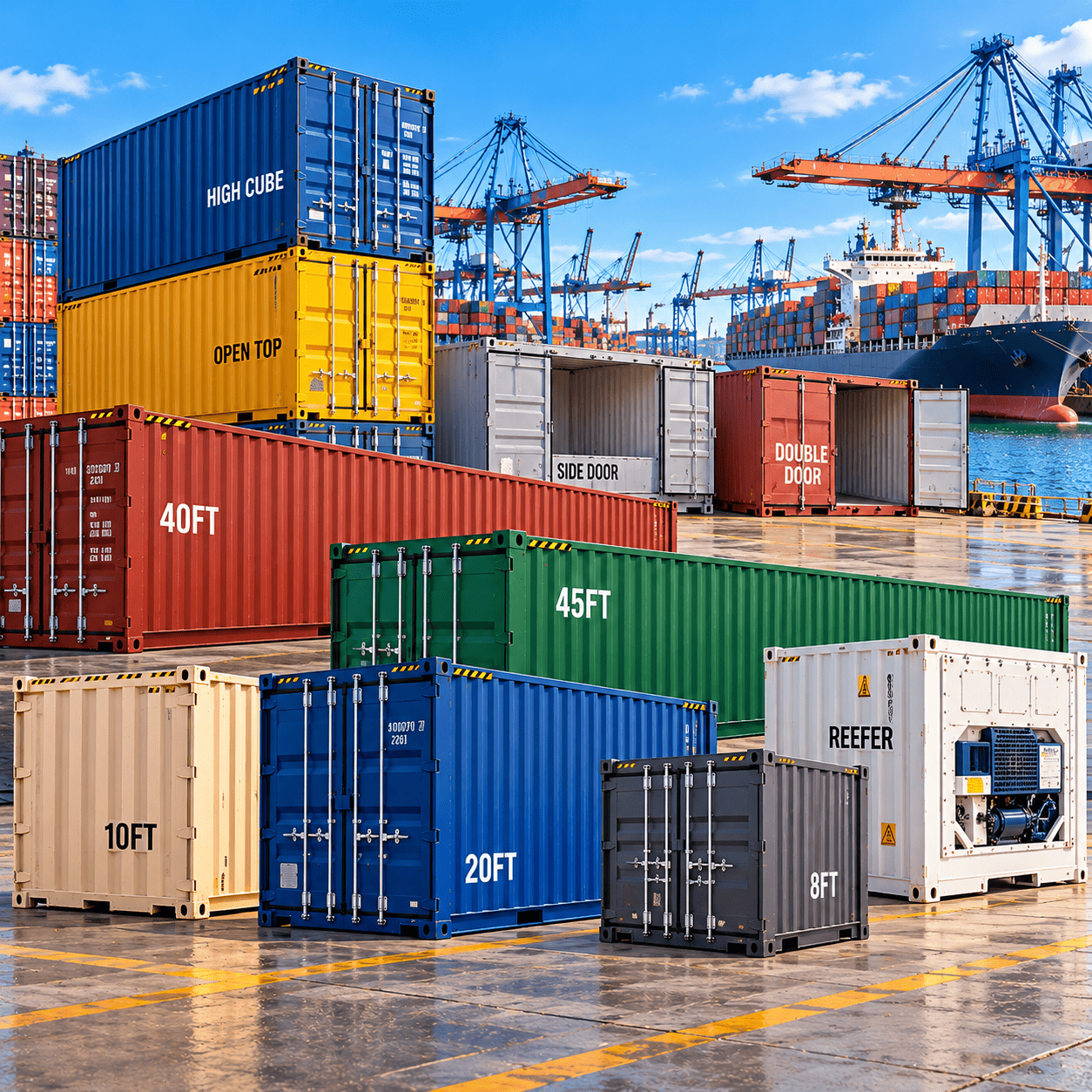
Standard shipping containers are commonly used for general cargo and storage. They can be a practical choice when you need enclosed space for equipment, materials, inventory, or other goods.
High cube containers provide additional interior height compared with standard-height containers. That extra clearance can be useful when storing taller items or when maximizing usable vertical space is important.
Cargo containers are designed around the needs of transporting and protecting goods. When comparing options, pay attention to interior space, door access, floor condition, and the type of cargo you intend to place inside.
Storage containers can provide enclosed space for businesses, contractors, farms, warehouses, and other users who need additional storage capacity without constructing a permanent building.
The exact options available should always be confirmed on the individual product listing before purchase.
Shipping Container Sizes and Configurations
Size is one of the most important decisions when buying a shipping container.
20-Foot Shipping Containers
A 20-foot container can be a practical option when you need enclosed storage or cargo space but have limited room for placement. Its smaller footprint may also make site access easier than a larger container in some situations.
40-Foot Shipping Containers
A 40-foot container provides substantially more floor space than a 20-foot container. It can be useful for larger cargo loads, business inventory, construction materials, agricultural equipment, or expanded storage needs.
40-Foot High Cube Containers
A 40-foot high cube combines a longer footprint with additional interior height. Buyers handling bulky or taller goods may find the additional vertical clearance useful.
Not every project requires the largest container. Choosing a larger unit than necessary can affect placement, access, transportation, and overall project costs. On the other hand, choosing a container that is too small can create unnecessary loading and storage problems.
Key Features to Evaluate
When comparing shipping containers for sale Virginia, look beyond size. Review the product information carefully and consider features that matter to your intended use.
Important factors may include:
- Steel construction
- Exterior and interior dimensions
- Door configuration
- Door opening dimensions
- Flooring condition
- Roof and wall condition
- Door seals
- Ventilation
- Signs of rust or corrosion
- Container condition
- Available documentation
- High cube clearance where applicable
Condition is especially important when comparing containers. A buyer should understand whether a particular unit is new, used, or offered in another stated condition. Product-specific listings should provide the information needed to evaluate each container.
Common Uses for Shipping Containers in Virginia
Shipping containers can support a wide range of commercial and practical projects.
Construction: Contractors can use enclosed containers for tools, building materials, equipment, and job-site supplies.
Agriculture: Farms and agricultural businesses may use containers to organize equipment, supplies, tools, and other materials.
Business storage: Companies can use containers to create additional storage capacity for inventory, equipment, documents, supplies, or seasonal materials.
Industrial applications: Manufacturing and industrial operations may need secure enclosed space for equipment, components, tools, or materials.
Cargo and logistics: Standardized container dimensions make shipping containers useful for moving and organizing cargo as part of transportation and logistics operations.
Commercial projects: Retailers, contractors, property managers, and other businesses may use containers when additional enclosed space is needed.
How to Choose the Right Shipping Container
Choosing a container becomes easier when you compare the same factors across each product.
- Determine the required size. Estimate how much cargo or storage space you actually need.
- Identify the container type. Decide whether a standard or high cube configuration is appropriate.
- Consider the intended use. Cargo transportation may require different considerations than long-term storage.
- Review the condition. Examine the listed condition and product specifications carefully.
- Check access requirements. Make sure the container can reach and fit the intended placement area.
- Measure the site. Consider available width, length, height, turning space, and overhead clearance.
- Review cargo requirements. Check dimensions, weight, loading method, ventilation, and door access.
- Consider the total budget. Account for the container itself as well as transportation, placement, preparation, and other project costs.
- Review documentation. Where applicable, check available container documentation and transport-related requirements.
- Compare individual listings. Product specifications can vary, so evaluate each container on its own details.
Buying Considerations Before You Order
Before purchasing shipping containers for sale Virginia, review the product information and your delivery site carefully.
Check the container’s dimensions and make sure there is sufficient space for placement. Confirm that the doors provide suitable access for your cargo. If you are purchasing a used container, pay close attention to the stated condition, flooring, doors, seals, roof, walls, and visible corrosion.
You should also consider how the container will reach the site. Delivery access can depend on road conditions, property layout, available space, overhead clearance, and the equipment used for unloading and positioning the container.
Local requirements may also apply depending on how and where a container is used. Buyers should check applicable local rules before placing a container on a property.
Buy Shipping Containers Online for Your Virginia Project
When you are ready to compare products, shopping online can make it easier to review container sizes, configurations, specifications, and intended applications in one place.
Buyers can compare shipping containers online based on their cargo requirements, available space, intended use, and budget. Instead of choosing a container based only on price or appearance, review the specifications that will affect how well the container fits your project.
For customers ready to explore available options, Buy shipping containers online provides a convenient starting point for reviewing shipping container products.
Why Buy From Buy Shipping Containers Online?
Buy Shipping Containers Online is focused on making the container-buying process convenient for customers researching and purchasing shipping containers online.
The website allows buyers to review available container options and compare products based on the information provided with each listing. This can help customers narrow their choices according to size, application, configuration, and other relevant requirements.
For a better purchasing decision, review the individual product specifications before ordering. If you are unsure which container is appropriate for your application, contact the company for assistance with selecting a suitable option.
Ready to Buy Shipping Containers in Virginia?
The right container starts with the right specifications. Review the available products, compare sizes and configurations, consider your intended use, and make sure the selected container fits your site and cargo requirements.
When you have identified the appropriate option, Buy Shipping Containers Online gives you a convenient way to continue your purchase research and compare available products.
7. FAQs
What sizes of shipping containers are available?
Common shipping container sizes include 20-foot and 40-foot units, with 40-foot high cube containers also widely used. Available sizes depend on the individual products listed in the category.
What type of shipping container should I buy?
Choose based on your intended use, cargo dimensions, available space, access requirements, condition preferences, and budget. A standard container may suit general cargo and storage, while a high cube can provide additional vertical clearance.
What is the difference between a standard and high cube container?
The main difference is interior height. A high cube container provides additional vertical clearance compared with a standard-height container, which can be useful for taller cargo or storage needs.
Are shipping containers suitable for storage?
Yes. Shipping containers are commonly used for enclosed storage of equipment, inventory, construction materials, agricultural supplies, tools, and other suitable goods. The appropriate container depends on the type and quantity of items being stored.
What should I check before buying a shipping container?
Review the dimensions, door configuration, condition, flooring, roof and walls, door seals, ventilation, corrosion, available documentation, site access, and intended use. Also consider transportation and placement requirements.
How do I choose the right container size?
Start by measuring the cargo or estimating the required storage volume. Then compare that requirement with the container’s internal dimensions. Also consider available space at the destination and how the cargo will be loaded.
Can shipping containers be delivered?
Delivery depends on the individual product, destination, transportation arrangements, and site conditions. Before ordering, confirm the available delivery arrangements and make sure the destination has suitable access for the required transportation and placement process.
How much does a shipping container cost?
Shipping container prices vary based on factors such as size, type, condition, configuration, location, transportation, and other product-specific factors. Review individual product listings for current pricing and specifications.
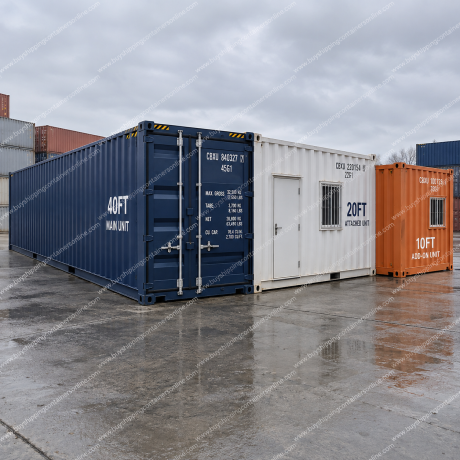
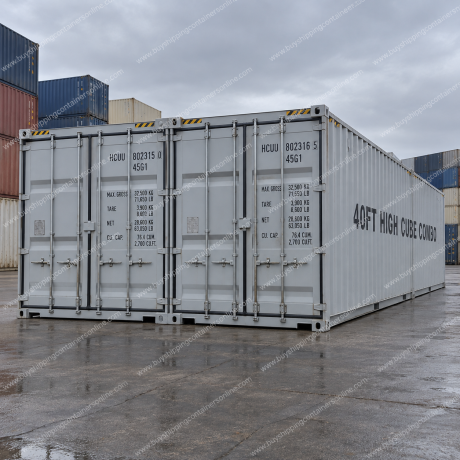
Buy Combo shipping containers
Price range: 1,180.00$ through 12,800.00$
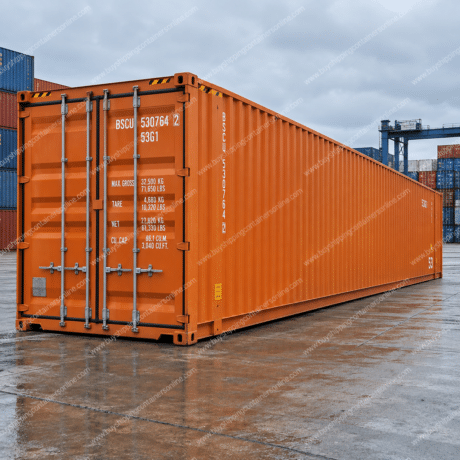
buy shipping container south africa
Price range: 1,180.00$ through 12,800.00$
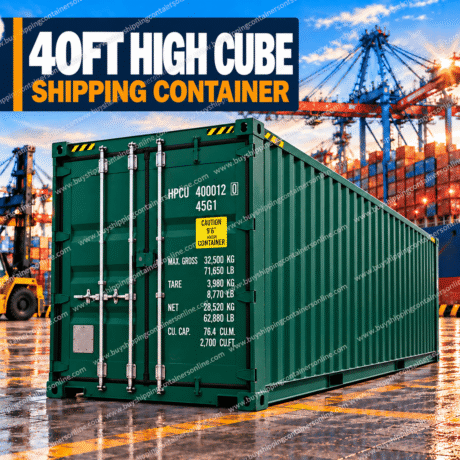
buy shipping container vancouver
Price range: 1,180.00$ through 12,800.00$
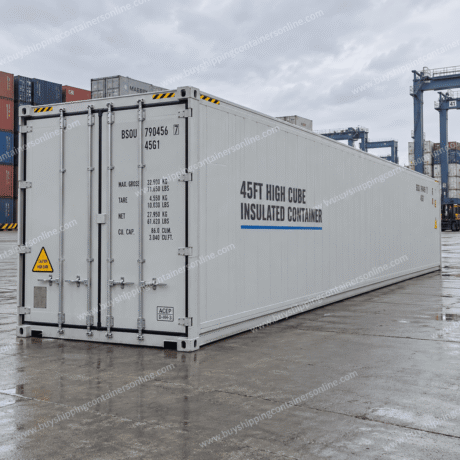
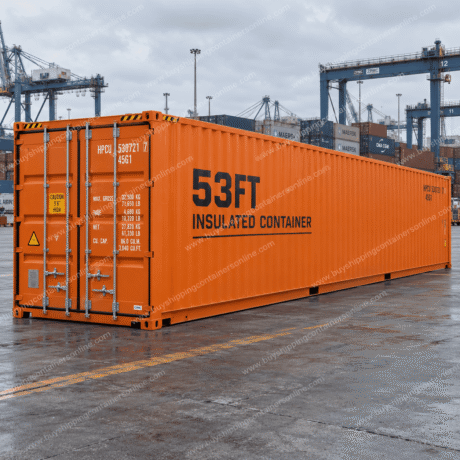
buy shipping container virginia
Price range: 1,180.00$ through 12,800.00$

buy shipping containers south-carolina
Price range: 1,180.00$ through 12,800.00$
buy shipping containers tennessee
Price range: 1,180.00$ through 12,800.00$

buy shipping containers virginia
Price range: 1,180.00$ through 12,800.00$

buy shipping containers wisconsin
Price range: 1,180.00$ through 12,800.00$