
No products in the cart.
TOP RATED PRODUCTS
1,750.00$
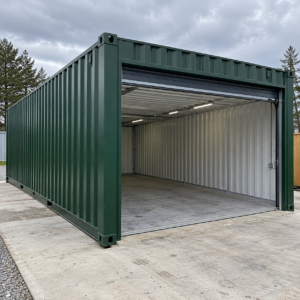
buy shipping container garage
2,750.00$
buy shipping containers kansas


1,260.00$
buy shipping container for storage
Original price was: 1,560.00$.1,400.00$Current price is: 1,400.00$.
Shipping containers for sale Nigeria
Shipping Containers for Sale Washington
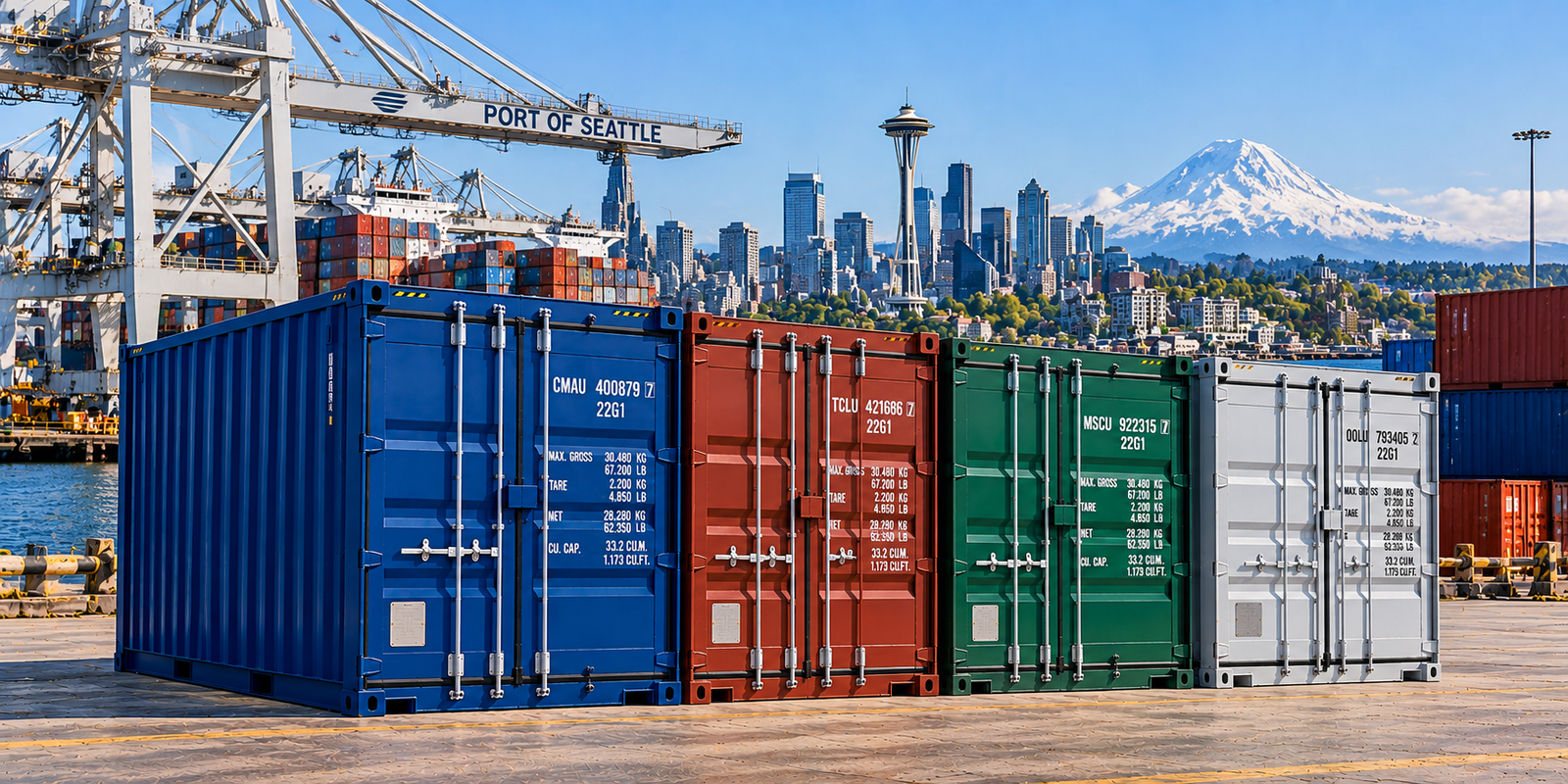
Shipping containers for sale Washington buyers can compare are available for a wide range of cargo, storage, commercial, construction, agricultural, and industrial applications. Whether you need a container for on-site storage, cargo handling, equipment protection, or another legitimate business or project need, choosing the right size and configuration is an important first step.
This category is designed for customers researching and purchasing shipping containers in Washington. Compare available container types, sizes, conditions, and features to find an option that fits your intended use, available space, cargo requirements, and delivery needs.
Shipping Containers for Sale in Washington
Shipping containers are built around practical requirements such as secure cargo handling, transportation, and storage. However, not every container is the same. Buyers should consider the container’s dimensions, configuration, condition, doors, flooring, ventilation, and intended application before placing an order.
For background information about the standard equipment used in global freight and logistics, see Shipping Containers.
Depending on the products available in this category, customers may find options suited to:
- Cargo transportation
- Commercial storage
- Construction sites
- Agricultural operations
- Manufacturing and industrial projects
- Equipment storage
- Inventory storage
- Import and export logistics
- On-site business storage
- Temporary or long-term storage needs
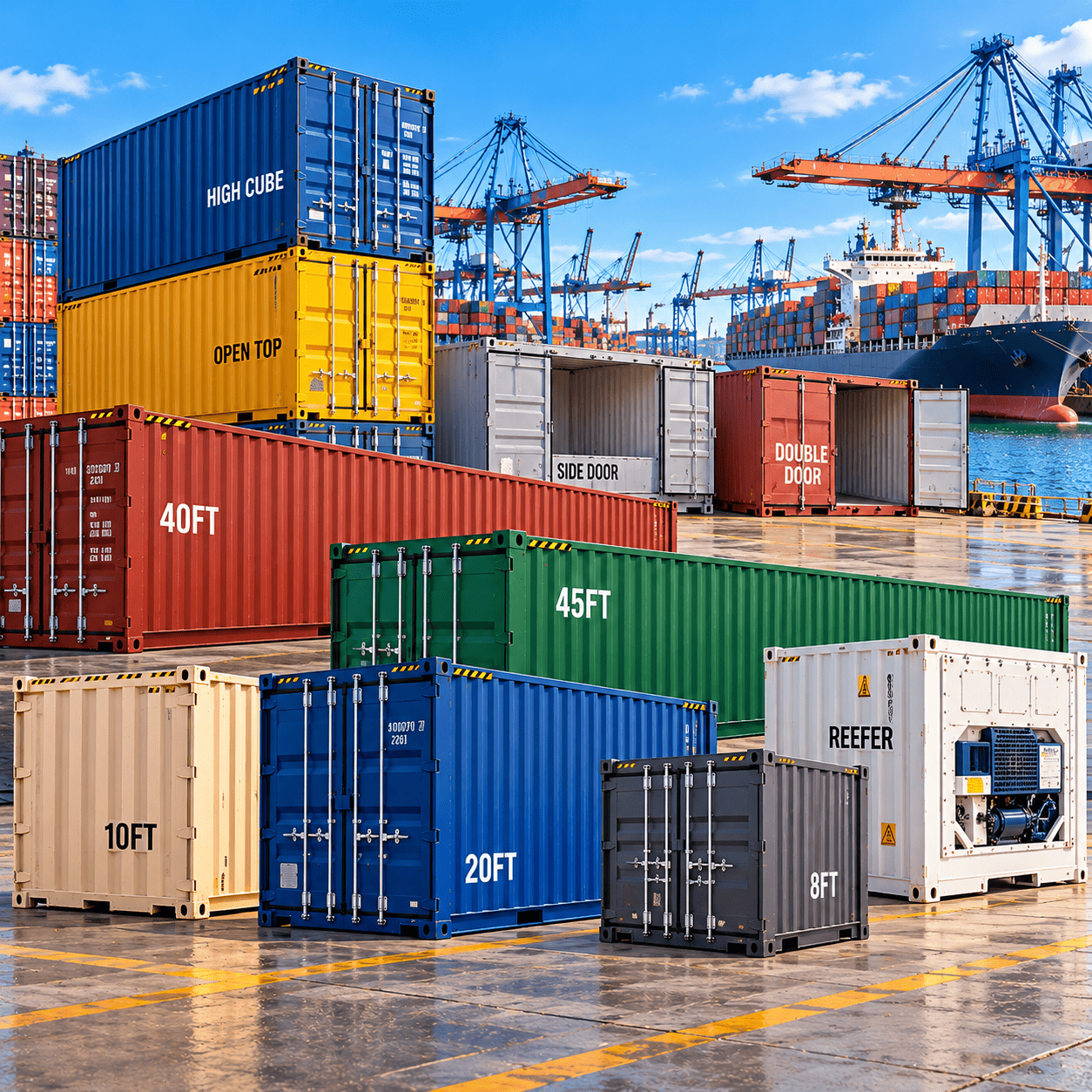
Container Options to Compare
When comparing shipping containers for sale Washington, start with the type of container that matches your intended application.
Standard shipping containers are commonly used for general cargo and storage. Their enclosed design provides a practical space for keeping equipment, inventory, materials, and other suitable goods organized and protected.
High cube containers provide additional interior height compared with standard-height containers of similar length. That extra clearance can be useful when vertical space matters.
Newer or cargo-worthy containers may be considered when condition and transportation requirements are important. The exact condition should always be confirmed from the individual product listing.
Used shipping containers can provide a practical option for customers whose primary requirement is storage or another non-voyage application. Condition can vary, so inspect the product details carefully before purchasing.
The right choice depends on what you plan to store or transport, how much space you need, and the physical conditions at your delivery location.
Shipping Container Sizes and Configurations
Container size is one of the most important decisions when buying a shipping container. A container that is too small may not provide enough usable space, while a larger container may require more room for placement and delivery.
Common industry sizes include:
- 10-foot containers: Useful where available space is limited and a smaller storage footprint is preferred.
- 20-foot containers: A common size for general cargo, equipment, inventory, and storage applications.
- 40-foot containers: Provide substantially more floor space for larger cargo and storage requirements.
- 40-foot high cube containers: Offer additional interior height, making them useful when extra vertical clearance is important.
Not every size or configuration is necessarily available in every category or at every time. Review the individual product listing for the specifications of the container you are considering.
When comparing shipping container sizes, consider your cargo volume, available placement area, access for delivery equipment, loading requirements, and whether you need additional interior height.
Key Features to Evaluate
A shipping container should be evaluated based on the features that matter to your specific application.
Important factors may include:
- Steel construction
- Exterior and interior dimensions
- Door configuration
- Door opening dimensions
- Flooring condition
- Door seals
- Ventilation
- Rust and corrosion
- Overall structural condition
- Container condition or grade
- Interior clearance
- Documentation, where applicable
- High-cube configuration when additional height is required
For storage applications, pay particular attention to the container’s condition, doors, seals, flooring, and ventilation. For cargo applications, dimensions and access requirements become especially important.
Always review the specifications provided with the individual product rather than assuming that every container has the same features.
Common Uses for Shipping Containers in Washington
Shipping containers can serve many practical purposes beyond traditional freight transportation.
Common applications include:
Cargo Transportation
Containers provide an enclosed space for transporting suitable cargo through established logistics and freight networks.
Commercial Storage
Businesses can use containers to store inventory, equipment, supplies, tools, and other appropriate materials when additional storage space is needed.
Construction Projects
Construction companies may use containers for storing tools, equipment, building materials, and job-site supplies.
Agriculture
Farms and agricultural businesses may use suitable containers for equipment, supplies, materials, and other storage requirements.
Industrial Applications
Manufacturing and industrial operations can use containers for equipment storage, inventory management, materials, and other practical applications.
On-Site Storage
A container can provide additional storage capacity at a suitable commercial or project location, provided the site has adequate space and access for placement.
How to Choose the Right Shipping Container
Before buying, compare your requirements against the specifications of each available container.
Consider these factors:
- Size: Estimate the amount of cargo or storage space you need.
- Container type: Choose a standard, high cube, or other configuration based on the application.
- Condition: Review the listed condition and inspect relevant details.
- Intended use: Storage and cargo requirements may call for different considerations.
- Location: Washington delivery requirements can vary by site.
- Access: Make sure the intended placement area can accommodate the container and delivery equipment.
- Delivery requirements: Consider site access, ground conditions, overhead clearance, and placement space.
- Cargo requirements: Check dimensions, weight, loading access, and interior clearance.
- Budget: Compare the total purchase and delivery costs rather than focusing only on the container price.
- Required features: Consider doors, ventilation, flooring, height, and other specifications that affect your application.
Taking time to compare these factors can help you avoid choosing a container that does not fit your project.
What to Check Before Buying
Before purchasing shipping containers for sale Washington, review the product specifications carefully. Important checks may include the container’s exterior and interior dimensions, door configuration, flooring, seals, ventilation, structural condition, and visible corrosion.
Also consider the delivery location. The site should have sufficient room for the container and appropriate access for the equipment used to deliver and position it. Local site requirements and regulations may also need to be considered.
If documentation is important for your application, review what documentation is included with the specific container before ordering.
Buy Shipping Containers Online
If you are comparing shipping containers for sale, online purchasing makes it easier to review available products and compare specifications before making a decision. Look at the container size, type, condition, features, intended application, and delivery requirements together rather than evaluating price alone.
For customers ready to compare available options, you can Buy shipping containers online and review the products that match your requirements.
Why Buy From Buy Shipping Containers Online?
Buy Shipping Containers Online is focused on making container purchasing more convenient for customers researching and comparing different container options.
Customers can use the website to:
- Browse available shipping-container products.
- Compare different sizes and configurations.
- Review product specifications.
- Consider containers for cargo and storage applications.
- Research options before purchasing.
- Complete the buying process online where available.
The best container depends on your specific project, cargo, location, and requirements. Review the product information carefully and contact the company if you need help understanding which available option fits your needs.
Ready to Buy Shipping Containers?
Start by identifying the container size, configuration, condition, and features required for your application. Then compare the available products and review their specifications before placing an order.
Whether you need a container for storage, cargo, construction, agriculture, equipment, or commercial use, selecting the appropriate size and configuration can make the purchasing process much easier.
When you are ready to compare available options, Buy shipping containers online and review the shipping containers currently offered for your requirements.
7. FAQs
What sizes of shipping containers are available?
Common shipping container sizes include 10-foot, 20-foot, 40-foot, and 40-foot high cube configurations. Availability varies by product, so check the specifications of the individual container before purchasing.
What type of shipping container should I buy?
The appropriate container depends on your intended use, required storage volume, available space, cargo dimensions, access requirements, and preferred configuration. Compare the product specifications before choosing.
What is the difference between a standard and high cube container?
A high cube container provides additional interior height compared with a standard-height container of the same general length. The extra clearance can be useful when vertical storage space is important.
Are shipping containers suitable for storage?
Yes. Shipping containers are commonly used for suitable commercial, industrial, agricultural, construction, equipment, and on-site storage applications. Check the container’s condition and specifications to ensure it fits your storage requirements.
What should I check before buying a shipping container?
Review the dimensions, door configuration, flooring, seals, ventilation, structural condition, corrosion, container condition, delivery access, placement requirements, and any documentation relevant to your intended use.
How do I choose the right container size?
Estimate the volume and dimensions of the items you plan to store or transport. Then consider your available site space, loading access, delivery requirements, and whether additional interior height is needed.
Can shipping containers be delivered?
Delivery depends on the specific purchase and destination. Before ordering, confirm that the delivery location has suitable access, placement space, ground conditions, and clearance for the required delivery equipment.
How much does a shipping container cost?
Shipping container prices vary based on factors such as size, type, condition, configuration, location, and delivery requirements. Review the current product listing and applicable delivery costs for the container you are considering.

buy shipping containers washington
2,700.00$