
No products in the cart.
TOP RATED PRODUCTS
1,750.00$
buy shipping container garage
2,750.00$
buy shipping containers kansas


1,260.00$
buy shipping container for storage
Original price was: 1,560.00$.1,400.00$Current price is: 1,400.00$.
Shipping containers for sale Nigeria
Storage Containers for Sale Columbia
Looking for storage containers for sale Columbia customers can use for equipment, inventory, cargo, materials, or on-site storage? Shipping containers provide a practical way to create enclosed storage space without building a permanent structure. Choose from suitable container types, sizes, conditions, and configurations based on what you need to store and where the container will be placed.
Whether you need additional business storage, a secure place for construction equipment, agricultural supplies, commercial inventory, or general belongings, the right container can provide useful enclosed space. Before purchasing, compare the container size, condition, access requirements, intended use, placement area, and delivery considerations.
You can also explore our broader selection when you Buy shipping containers online and compare available options for your project.

Storage Containers for Sale in Columbia
Storage containers are designed to provide enclosed space for cargo, equipment, materials, and other goods. Because shipping containers are built around standardized dimensions and practical access points, they can work for a wide range of storage applications.
The right choice depends on what you plan to store and how you will use the container. For example, a business storing boxed inventory may have different requirements from a construction company storing tools and equipment.
When comparing storage containers, consider:
- Container size and available interior space
- Door configuration and access
- Container condition
- Flooring condition
- Structural condition
- Signs of rust or corrosion
- Door seals and closure
- Ventilation
- Available placement space
- Delivery and transportation requirements
- Local site restrictions
- The type and quantity of goods being stored
For general background on the standardized units used for cargo and storage, see Shipping Containers.
Container Options for Storage
Different container configurations can serve different storage needs. The best option depends on your available space, the items being stored, and how often you need access.
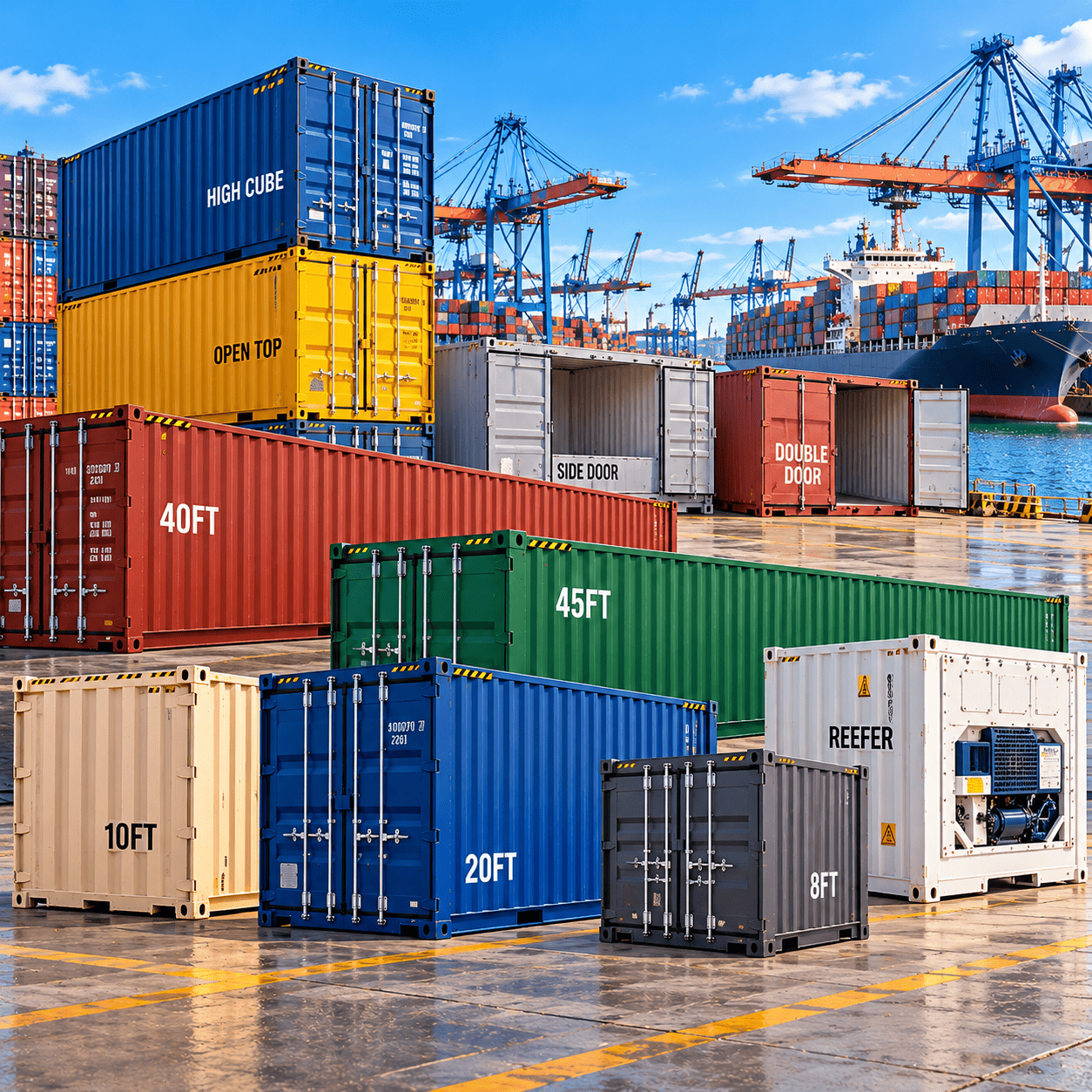
Standard Shipping Containers
Standard containers are a common option for enclosed storage. They can be used for equipment, inventory, tools, materials, and other goods that need protection from outdoor exposure.
A standard container may be suitable when you need practical storage space while keeping the footprint relatively compact.
High Cube Containers
High cube containers provide additional interior height compared with standard-height containers. That extra clearance can be useful when storing taller items, stacking goods, or making better use of vertical space.
If height is important for your project, compare the interior and exterior dimensions before choosing a high cube configuration.
10-Foot Containers
A 10-foot container can be useful when available space is limited or when a smaller storage footprint is preferred. It may work for tools, equipment, supplies, inventory, or other items that do not require the capacity of a larger container.
Always compare the actual interior dimensions with your storage requirements before purchasing.
20-Foot Containers
A 20-foot container offers more storage capacity while maintaining a manageable footprint for many applications. It can be considered for business inventory, construction materials, equipment, agricultural supplies, and general storage.
40-Foot Containers
A 40-foot container provides substantially more internal length than smaller options. It may be suitable when you need to store larger quantities of goods, equipment, or materials in one enclosed unit.
Because a larger container also requires more space for placement and access, check your site dimensions before ordering.
40-Foot High Cube Containers
A 40-foot high cube combines increased length with additional interior height. This configuration can be useful for projects where both storage volume and vertical clearance matter.
Compare the container’s dimensions with your site, delivery route, and intended contents before making a purchase.
Key Features to Consider
The right storage container should match the conditions of your site and the goods you plan to store. Rather than choosing based only on price or size, review the features that affect day-to-day use.
Important considerations include:
- Steel construction: A steel container provides an enclosed structure suitable for many storage applications.
- Cargo doors: Check the door arrangement and opening dimensions to make sure your goods and equipment can enter easily.
- Locking points: Consider how you will secure the container and whether the configuration works with your preferred security setup.
- Flooring: Inspect the floor condition and consider the type and weight of the items you intend to store.
- Ventilation: Ventilation can matter when storing materials that require airflow or when managing condensation.
- Interior dimensions: Measure your largest items and allow enough space for movement and access.
- Exterior dimensions: Make sure the container will fit the intended placement area.
- Condition: Used and new containers can differ in appearance and condition, so review the available product information carefully.
- Corrosion: Check areas where rust or corrosion could affect the container’s suitability for your intended use.
- Door seals: Properly functioning door seals are important when the stored contents need protection from outdoor conditions.
Specific features vary by product, so review each individual listing before purchasing.
Common Uses for Storage Containers in Columbia
Storage containers can support many commercial, industrial, agricultural, and construction-related needs.
Common applications include:
- Business inventory storage
- Construction equipment storage
- Tools and machinery storage
- Agricultural supplies
- Manufacturing materials
- Retail inventory
- Commercial storage
- Building materials
- Temporary project storage
- Equipment storage
- General cargo storage
- Import and export cargo
- On-site warehouse overflow
For businesses, a container can provide additional enclosed space when existing storage areas are limited. Construction companies can also use containers to organize equipment and materials at a project site.
The appropriate container depends on the items being stored, the available space, access requirements, and the intended duration of use.
How to Choose the Right Storage Container
Choosing the right container starts with understanding exactly what you need to store.
1. Determine the Required Size
Estimate the volume of your goods and measure larger items. Compare your measurements with the container’s interior dimensions.
Do not choose a container based on exterior size alone. Interior clearance and usable floor space are also important.
2. Choose the Right Configuration
Decide whether a standard, high cube, or another configuration makes sense for your application. If you need extra vertical clearance, a high cube may be worth considering.
3. Consider Container Condition
Review whether the available container is new, used, or another stated condition. Look at the product information for details about its structural and cosmetic condition.
4. Check Access Requirements
Think about how goods will enter and leave the container. Measure large equipment, pallets, machinery, or other items that must pass through the doors.
5. Evaluate Your Site
Measure the available placement area. Also consider the access route needed for delivery and the space required around the container for practical use.
6. Consider Your Contents
Different goods may have different storage requirements. Consider weight, dimensions, ventilation needs, stacking requirements, and frequency of access.
7. Review Delivery Requirements
Before ordering, make sure the intended location can accommodate the container and the equipment used to place it. Site access can be just as important as the container itself.
8. Compare the Total Purchase Cost
When comparing shipping container prices, consider more than the listed container price. Transportation, site preparation, placement, and any required modifications may affect the overall project cost.
Buying Considerations Before You Order
Before purchasing storage containers for sale in Columbia, review the product specifications carefully.
Check:
- Interior and exterior dimensions
- Door opening dimensions
- Container condition
- Floor condition
- Structural condition
- Rust and corrosion
- Door operation
- Door seals
- Ventilation
- Container configuration
- Available documentation, where applicable
- Delivery access
- Placement requirements
- Local requirements or restrictions
- Total transportation costs
If you are storing heavy equipment or large quantities of materials, make sure the selected container is appropriate for the intended load and application.
It is also useful to measure the delivery site before placing an order. A container may fit the final placement area but still be difficult to deliver if the access road, entrance, turning area, or placement location is restricted.
Shipping Containers for Storage and Business Use
Businesses often need additional storage space without changing their existing building footprint. A shipping container can provide enclosed space for inventory, tools, equipment, materials, and other goods.
For example, a construction company may use a container to organize tools and building materials at a project location. A retailer may use one for inventory overflow. An agricultural operation may use enclosed storage for appropriate supplies or equipment.
When comparing shipping containers for storage, focus on the actual requirements of your application. Size, access, condition, placement, and delivery all matter.
If you are ready to compare shipping containers for sale, review the available product options and select the configuration that fits your project.
Why Buy From Buy Shipping Containers Online?
Buy Shipping Containers Online is designed to make researching and purchasing shipping containers more convenient. Customers can review container options online, compare relevant product information, and select products based on their intended use.
A useful buying process should make it easier to understand:
- Available container types
- Container sizes
- Product configurations
- Condition information
- Intended applications
- Important specifications
- Purchase considerations
Instead of selecting a container based only on a photograph or headline, review the complete product information and compare the specifications with your actual storage requirements.
Ready to Buy Storage Containers in Columbia?
If you know the size and configuration you need, start by comparing the available products. Review the specifications, consider your site and delivery requirements, and select a container that matches your intended application.
For customers still comparing options, consider the size, condition, configuration, access, storage capacity, and total project requirements before ordering.
When you are ready to purchase, Buy shipping containers online and review the available options for your storage, cargo, commercial, construction, or equipment needs.
Frequently Asked Questions
What sizes of storage containers are available?
Storage containers can come in several standard sizes and configurations, including 10-foot, 20-foot, 40-foot, and 40-foot high cube options where available. Check the individual product listing for the specific size and configuration offered.
What type of shipping container should I buy for storage?
The appropriate container depends on what you plan to store, the amount of space required, the available placement area, access requirements, and the container’s condition. Compare the product dimensions and specifications before purchasing.
What is the difference between a standard and high cube container?
A high cube container provides additional interior height compared with a standard-height container. This can be useful when storing taller items or when additional vertical clearance is important.
Are shipping containers suitable for storage?
Shipping containers can be used for many storage applications, including equipment, inventory, tools, materials, and other suitable goods. The appropriate container depends on the contents, site conditions, and intended use.
How do I choose the right container size?
Start by measuring the items you need to store and estimating the total volume. Then compare those measurements with the container’s interior dimensions. Also consider available site space, access, and future storage needs.
What should I check before buying a storage container?
Review the container’s dimensions, condition, flooring, doors, seals, ventilation, structural condition, corrosion, and configuration. Also check whether your site can accommodate delivery and placement.
Can storage containers be delivered?
Delivery requirements depend on the specific purchase and destination. Before ordering, make sure the intended site has suitable access and enough space for the container to be delivered and positioned.
How much does a storage container cost?
Storage container prices can vary based on factors such as size, configuration, condition, location, transportation, and other product-specific factors. Review the current product listing for pricing and specifications.
No products were found matching your selection.