
No products in the cart.

TOP RATED PRODUCTS
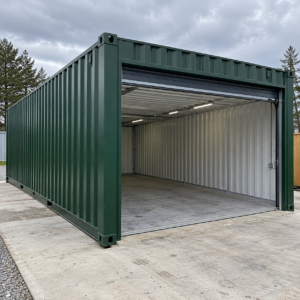
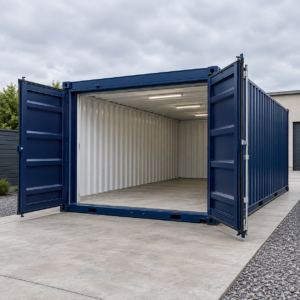
1,750.00$
buy shipping container garage
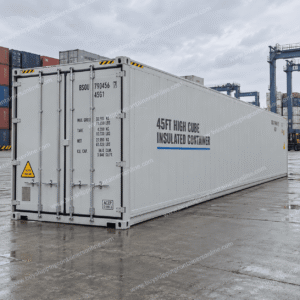
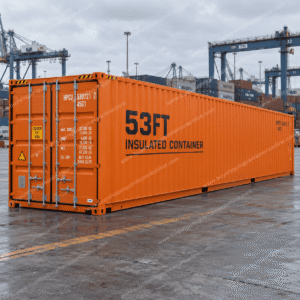
2,750.00$
buy shipping containers kansas


1,260.00$
buy shipping container for storage
Original price was: 1,560.00$.1,400.00$Current price is: 1,400.00$.
Shipping containers for sale Nigeria
Container Homes for Sale
Container homes for sale offer a practical option for buyers exploring alternative housing, guest accommodations, workspaces, rental units, and other residential or commercial projects. Shipping containers provide a strong structural starting point for customized spaces, making them suitable for projects where efficient use of space, modular construction, and flexible layouts are important.
This category is designed for customers researching and purchasing containers for housing-related projects. Whether you are planning a compact living space, guest accommodation, an office, an extension, or a larger multi-container project, choosing the right container starts with understanding the available size, condition, configuration, and intended use.
Before purchasing, consider the space you have available, the layout you need, local requirements, transportation access, and the modifications required for your project.
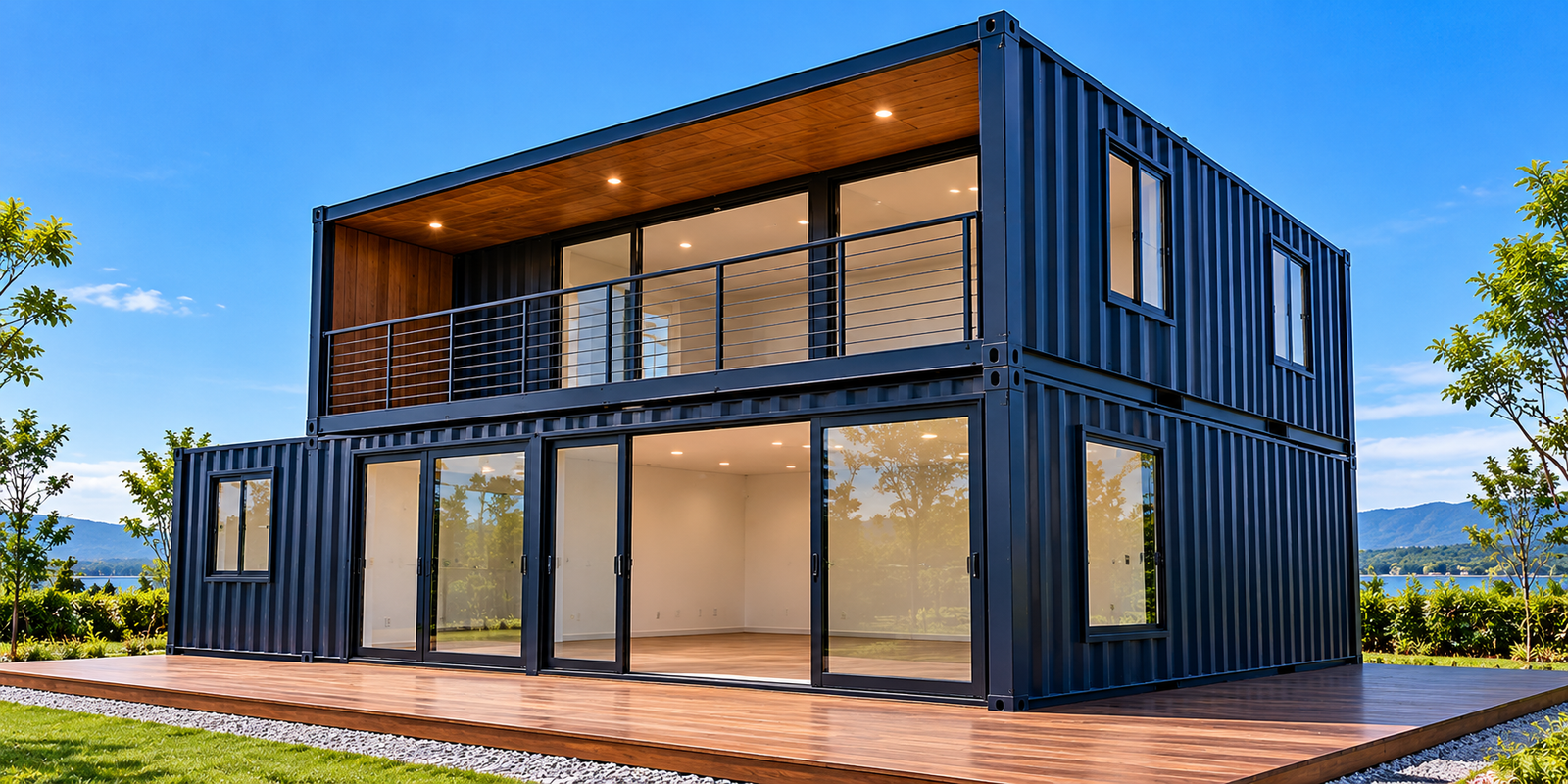
What Are Container Homes?
Container homes are residential or accommodation spaces created using shipping containers as the primary structural units. Depending on the project, one container can provide a compact footprint, while multiple containers can be combined to create larger floor plans.
A shipping container is a standardized steel cargo unit originally designed for transporting goods. You can learn more about the general design and purpose of Shipping Containers.
For housing projects, containers may be modified with features such as doors, windows, insulation, electrical systems, plumbing, interior finishes, flooring, and other components. The exact configuration depends on the project and the level of customization required.
Container Home Options
The right container depends on your intended application, available space, and required floor area.
Common options may include:
- Single-container homes: Suitable for compact living spaces, guest units, offices, studios, or other small-footprint projects.
- Multi-container homes: Multiple containers can be positioned together to create larger spaces and more flexible layouts.
- 20-foot container projects: A useful starting point for compact designs where available space is limited.
- 40-foot container projects: Provide a larger footprint for projects requiring additional interior space.
- High cube container projects: High cube units can provide additional interior height compared with standard-height containers, which can be useful when planning certain layouts or interior installations.
- Customized container homes: Containers can be adapted to meet specific design, access, storage, and accommodation requirements.
Availability, condition, dimensions, and included modifications can vary by individual product. Review the specifications of each listing carefully before purchasing.
Sizes and Configurations
Container size is one of the first decisions to make when planning a container home.
A 20-foot container can be considered when the project requires a smaller footprint. It may work well for compact accommodation, a studio, guest space, or a small office conversion.
A 40-foot container provides more length and can offer additional space for larger layouts. It may be suitable for projects requiring separate living, working, sleeping, or storage areas.
A 40-foot high cube container provides additional vertical clearance compared with a standard-height container. This can be useful for certain interior designs, insulation systems, ceilings, and installations where extra height is valuable.
When comparing sizes, consider:
- Required floor area
- Number of rooms or zones
- Furniture and equipment
- Available building space
- Delivery and access conditions
- Container placement
- Transportation requirements
- Planned modifications
- Future expansion
Do not choose a container based on external dimensions alone. Interior dimensions, door openings, structural condition, and the planned layout also matter.
Key Features to Consider
When comparing container homes and containers for housing projects, pay close attention to the specifications rather than relying only on photographs.
Important factors may include:
- Steel construction
- Exterior and interior dimensions
- Door configuration
- Door opening dimensions
- Floor condition
- Roof and wall condition
- Signs of rust or corrosion
- Ventilation
- Existing windows and doors
- Interior height
- High cube configuration
- Structural condition
- Existing modifications
- Documentation, where applicable
If you plan to modify a container extensively, consider how doors, windows, plumbing, electrical systems, insulation, interior walls, and other additions may affect the available space.
For used containers, inspect the condition carefully. Cosmetic wear can be different from structural damage, so buyers should understand the condition of the individual unit before committing to a purchase.
Common Uses for Container Homes
Container-based structures can serve many different purposes depending on the design and applicable local requirements.
Potential applications include:
- Primary or secondary living spaces
- Guest accommodation
- Backyard studios
- Rental units
- Vacation accommodation
- Home offices
- Garden offices
- Temporary accommodation
- Construction-site accommodation
- Commercial spaces
- Retail units
- Workshops
- Farm accommodation
- Modular extensions
- Storage areas connected to residential projects
The appropriate application depends on the container configuration, modifications, site conditions, local regulations, and intended occupancy.
How to Choose the Right Container Home
Choosing a container for a housing project should begin with your project requirements.
1. Determine the required size
Estimate how much usable space you need. A compact project may work with one smaller container, while a larger home may require multiple containers.
2. Choose the container configuration
Decide whether a standard container, high cube, single-unit design, or multi-container configuration better fits your plans.
3. Consider the condition
Newer and used containers can have different appearances and conditions. Examine floors, doors, walls, roofs, corners, and signs of corrosion before purchasing.
4. Plan the layout
Think about bedrooms, bathrooms, kitchens, living areas, storage, windows, entrances, and utility areas before selecting the container.
5. Check delivery access
The container must reach the intended site. Consider roads, gates, overhead obstructions, turning space, unloading requirements, and the final placement area.
6. Consider modifications
Determine which modifications your project will require. Cutting openings, installing windows, adding doors, insulating the interior, and installing utilities should all be considered during planning.
7. Review local requirements
Building, zoning, utility, planning, and occupancy requirements can vary by location. Check the requirements that apply to your project before beginning construction or modification.
Important Buying Considerations
Before purchasing container homes or containers for a housing project, review the complete product information.
Pay particular attention to:
- Overall dimensions
- Interior dimensions
- Door placement
- Door opening size
- Floor condition
- Roof condition
- Wall condition
- Rust and corrosion
- Ventilation
- Container condition
- Existing modifications
- Delivery access
- Placement requirements
- Transportation costs
- Required site preparation
- Applicable local requirements
- Documentation where applicable
A container that looks suitable online may not be appropriate for your project if its dimensions, condition, or configuration do not match your requirements. Compare the actual specifications with your planned design before purchasing.
Container Homes for Sale for Different Projects
Customers searching for shipping container homes may have very different requirements. A homeowner may need a compact guest space, while a business may require a larger modular facility.
For example, a small project could prioritize a compact footprint and simple layout. A larger project may combine several containers to create additional rooms and usable floor area.
If you are comparing container houses for sale, consider the complete project rather than the container alone. Transportation, site preparation, modifications, insulation, utilities, interior finishing, and installation can all affect the final project requirements and cost.
Buy Shipping Containers for Your Home Project
When you are ready to compare options, review the available dimensions, configurations, condition, and product specifications carefully. The goal is to select a container that matches both your immediate requirements and your planned modifications.
At Buy Shipping Containers Online, customers can browse container options online and compare products based on their intended application and specifications.
For customers who are still researching different container options, Shipping Containers can also provide useful background on standardized container designs and their original cargo applications.
Why Buy From Buy Shipping Containers Online?
Buying online makes it easier to research different container options before making a purchase decision. Customers can review product information, compare available configurations, and identify containers that fit their project requirements.
Buy Shipping Containers Online focuses on making the purchasing process straightforward by providing access to shipping-container options for different commercial, storage, transportation, and project applications.
When selecting a container, review the individual product information carefully and consider your intended use, site requirements, delivery access, and modification plans.
Ready to Find a Container?
If you have identified the size and configuration that fit your project, browse the available products and compare their specifications before purchasing.
For customers ready to start shopping, Buy shipping containers online and review the available options for your project.
If you need help deciding between sizes or configurations, first identify your intended use, available space, delivery requirements, and required features. That information can make it easier to narrow down the appropriate container.
7. FAQs
What sizes of shipping containers can be used for container homes?
Common shipping-container sizes include 20-foot and 40-foot units, with 40-foot high cube containers also widely used for projects where additional interior height is useful. Actual availability depends on the products offered.
What type of shipping container should I buy for a home project?
The right container depends on your required floor area, available site space, intended layout, condition requirements, delivery access, and planned modifications. Compare individual product specifications before purchasing.
What is the difference between a standard and high cube container?
A high cube container generally provides additional interior height compared with a standard-height container of the same basic length. The extra vertical space can be useful for certain housing layouts and interior installations.
Are shipping containers suitable for housing?
Shipping containers can be used as the structural basis for housing and accommodation projects when properly planned and modified. Insulation, ventilation, utilities, openings, structural modifications, and applicable local requirements should be considered.
How do I choose the right container size?
Start with your required floor area and planned layout. Then consider furniture, rooms, access, site space, transportation, and future expansion. A larger container is not automatically better if the site or delivery conditions cannot accommodate it.
What should I check before buying a container?
Review the dimensions, condition, doors, flooring, roof, walls, corrosion, ventilation, configuration, documentation where applicable, and delivery requirements. For a housing project, also consider the modifications needed to create the planned space.
Can shipping containers be delivered?
Shipping containers can require specialized transportation and unloading arrangements. Delivery depends on the product, destination, site access, transportation requirements, and arrangements associated with the purchase. Confirm delivery details before ordering.
How much does a container home cost?
The total cost varies based on the container itself and the scope of the project. Size, condition, transportation, site preparation, modifications, insulation, utilities, interior finishing, and installation can all affect the overall cost.
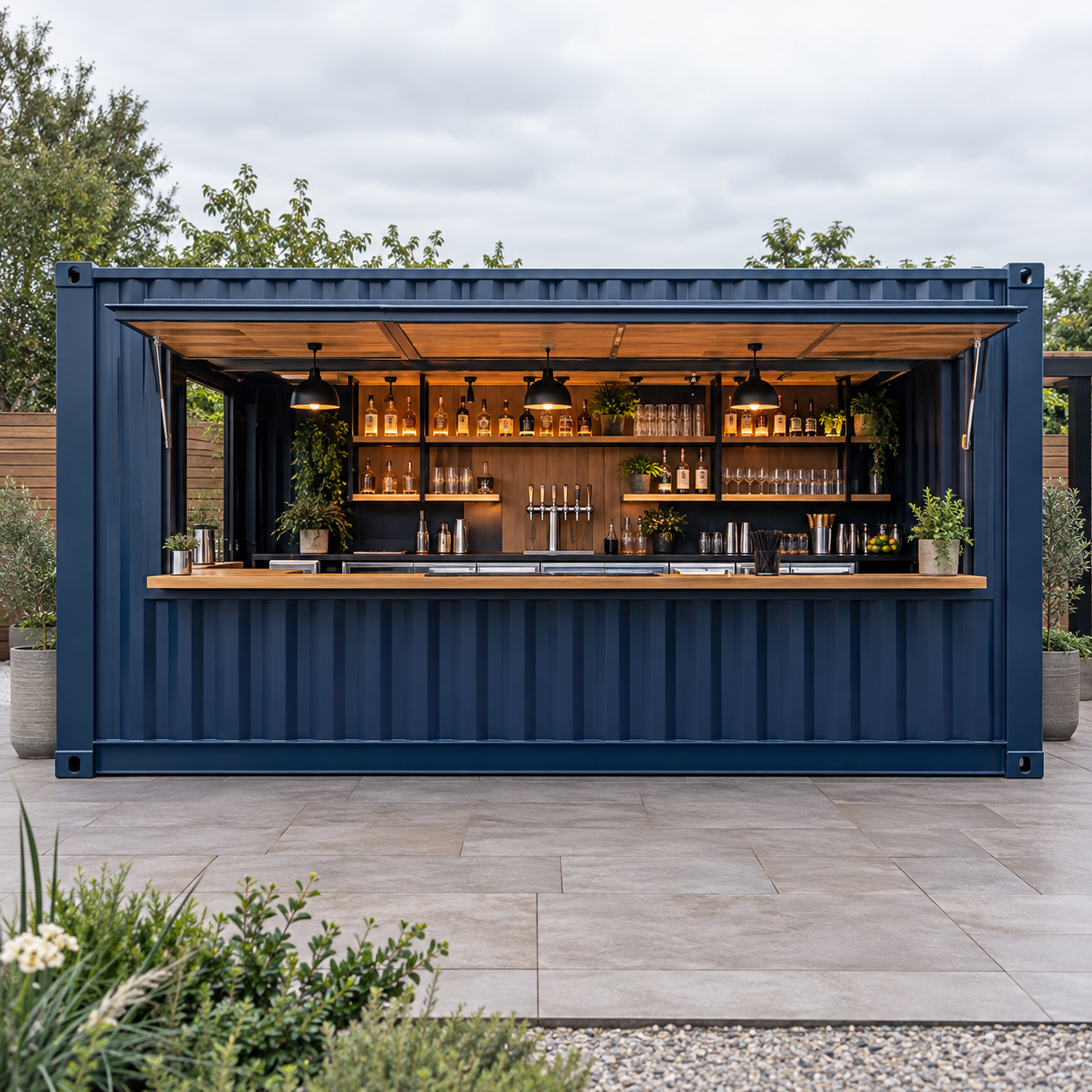
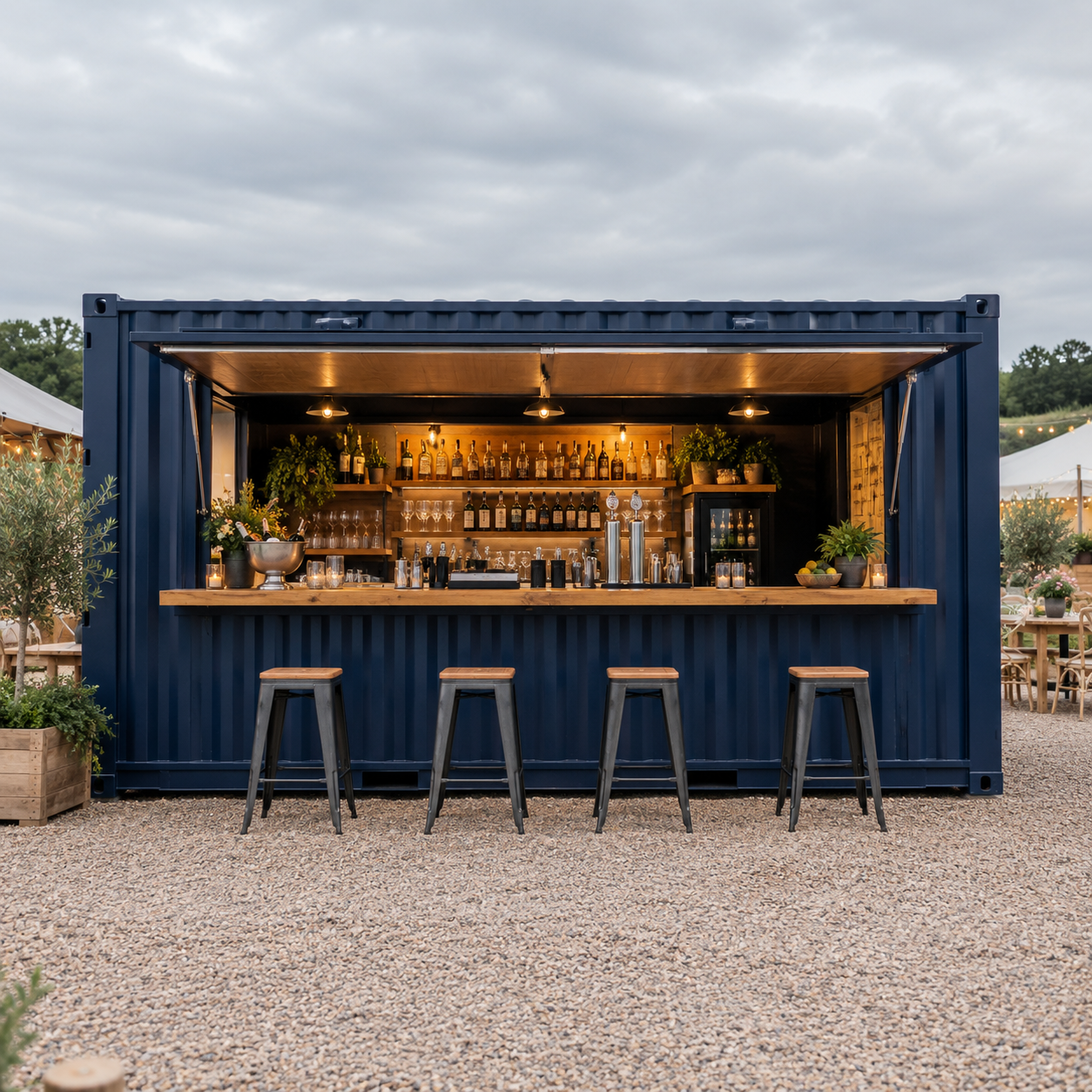
10 ft Container Bar for sale
Original price was: 1,200.00$.1,180.00$Current price is: 1,180.00$.
Looking for a 10 ft Container Bar for sale for a compact hospitality, event, or commercial project? This 10 ft container bar offers a practical footprint for businesses that want to create a dedicated serving area without requiring the space of a larger container.


buy prefab shipping container homes
17,100.00$
Looking to buy prefab shipping container homes for residential, guest, office, rental, or modular use? Explore practical container-based structures designed for customers who want a flexible alternative to conventional building methods. Configurations, sizes, finishes, pricing, and availability may vary,

buy shipping container house
Looking to buy shipping container house solutions for residential, guest, office, or modular project use? Explore a practical container-based structure that can support a wide range of space requirements. Configuration, condition, color, size, price, and availability may vary. Contact Buy Shipping Containers