
No products in the cart.
Showing all 3 resultsSorted by price: low to high
TOP RATED PRODUCTS
1,750.00$
buy shipping container garage
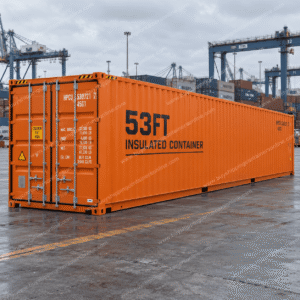
2,750.00$
buy shipping containers kansas


1,260.00$
buy shipping container for storage
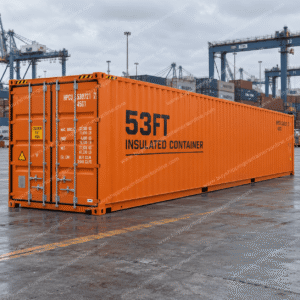
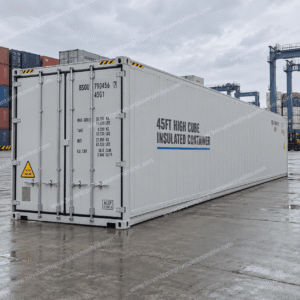
Original price was: 1,560.00$.1,400.00$Current price is: 1,400.00$.
Shipping containers for sale Nigeria
Shipping Containers for Sale Michigan
Find Shipping Containers for sale Michigan buyers can compare for cargo transportation, storage, construction, agriculture, commercial projects, and other practical applications. This category is designed for customers who want to review container options based on size, configuration, condition, intended use, and delivery requirements before making a purchase.
Shipping containers provide a practical way to protect cargo, equipment, inventory, and other goods. Depending on the container selected, buyers may use them for transportation or as secure storage at a commercial, industrial, agricultural, or construction site.
When comparing containers, focus on the specifications that matter most to your project. Size, door configuration, condition, available space, cargo requirements, access, placement, and transportation are all important factors.
For general background on the design and purpose of these units, see Shipping Containers.
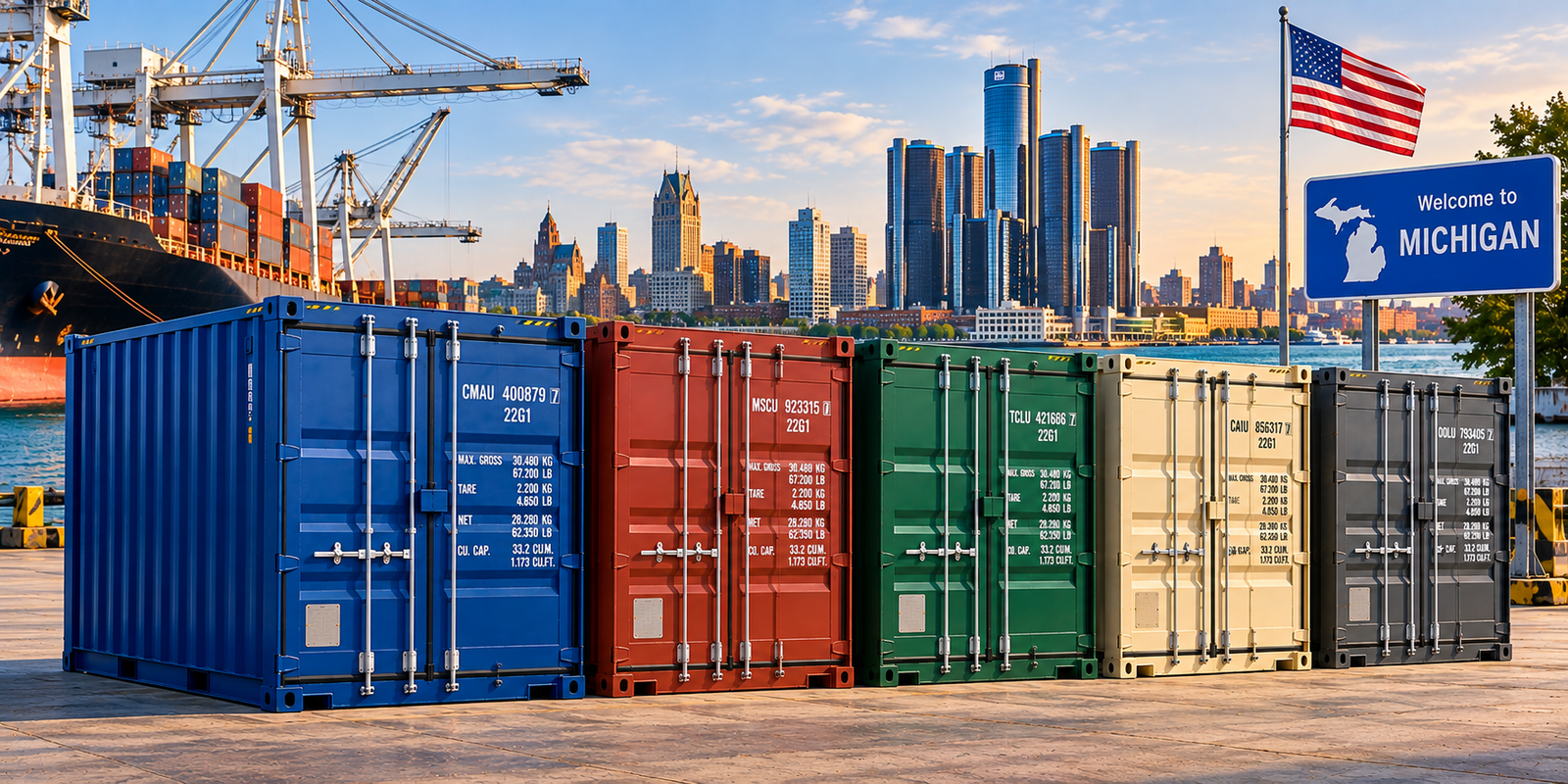
Shipping Container Options for Michigan Buyers
The right container depends on how you plan to use it. Different configurations can serve different cargo, storage, and project requirements.
Common options may include:
- Standard shipping containers: A practical choice for general cargo and storage applications where conventional dimensions meet the project requirements.
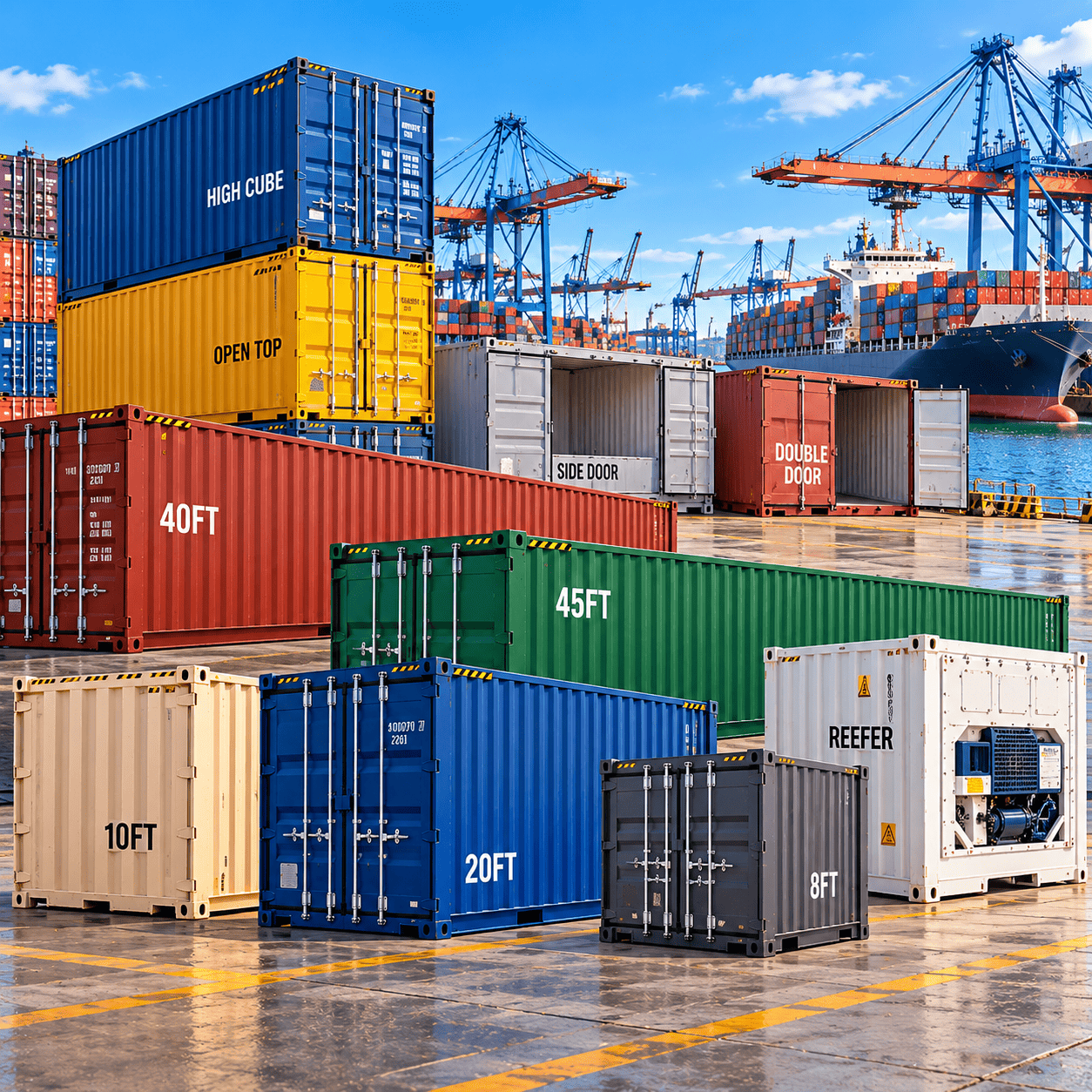
- High cube containers: These provide additional interior height compared with standard-height containers, making them useful when extra vertical clearance is valuable.
- Different container sizes: Buyers can compare available dimensions based on the amount of cargo or equipment that needs to be stored.
- Newer or used containers: Condition can affect appearance, structural condition, flooring, doors, and overall suitability, so review the product details carefully before purchasing.
- Specialized configurations: Some projects require specific door arrangements, ventilation, access features, or other configurations. Always review the individual product specifications to confirm what is included.
Availability can vary by product and location. Review each listing for the current specifications and purchasing information.
Shipping Container Sizes and Configurations
Choosing the right size is one of the most important parts of buying a container.
Common shipping container sizes include 10-foot, 20-foot, and 40-foot options, along with 40-foot high cube configurations. However, the exact sizes and configurations available should be confirmed on the individual product listing.
A smaller container may work well when space at the property is limited or the storage requirement is relatively modest. Larger containers can provide more capacity for equipment, inventory, materials, or cargo.
Before selecting a size, consider:
- The total volume of goods you need to store or transport.
- The available space at the delivery location.
- Access for the delivery vehicle and container placement.
- Door and access requirements.
- Whether items need to be loaded with equipment.
- Your expected future storage requirements.
- Transportation and placement considerations.
Measure the intended placement area before ordering. Make sure there is enough room for delivery, positioning, access, and normal use.
Key Features to Compare
Not every shipping container is identical. Compare the specifications of each product before making a purchasing decision.
Important factors can include:
Steel Construction
Shipping containers are commonly built with steel components designed for demanding cargo and transportation environments. The exact construction and specifications vary by container, so review the product information before purchasing.
Doors and Access
Door configuration can make a major difference when loading large, heavy, or bulky items. Consider where the container will be placed and how frequently you will need to access its contents.
Flooring
Check the flooring condition and specifications, particularly when purchasing a used container or planning to store heavy equipment and materials.
Condition
Container condition is an important buying consideration. Look for information about structural condition, exterior condition, flooring, doors, seals, corrosion, and other relevant details.
Ventilation
Ventilation can be important for certain storage applications. Consider your stored materials, environmental conditions, and the ventilation features of the specific container.
Interior and Exterior Dimensions
Compare both interior and exterior dimensions. Interior measurements help determine whether your cargo will fit, while exterior measurements help determine whether the container can be positioned at your property.
High Cube Clearance
If vertical space is important, compare standard-height and high-cube configurations. The additional height of a high cube may provide useful clearance for certain cargo or storage requirements.
Common Uses for Shipping Containers in Michigan
Shipping containers can serve many practical purposes beyond traditional cargo transportation.
Common applications include:
- Cargo transportation
- On-site storage
- Commercial inventory storage
- Construction-site storage
- Equipment storage
- Agricultural storage
- Manufacturing operations
- Retail inventory storage
- Warehouse overflow
- Import and export logistics
- Temporary storage
- Business and industrial projects
The appropriate container depends on the application. For example, a construction company may prioritize equipment access and durable storage, while a business storing inventory may place greater emphasis on capacity, organization, and convenient access.
How to Choose the Right Shipping Container
Buying a container is easier when you identify your requirements before comparing products.
1. Determine the Required Size
Estimate the amount of cargo, equipment, inventory, or materials you need to store. Then compare the available container dimensions.
2. Select the Container Type
Decide whether a standard container, high cube, or another configuration fits your project.
3. Check the Condition
If considering a used container, review its condition carefully. Pay attention to the structure, doors, flooring, corrosion, seals, and other listed details.
4. Consider the Intended Use
A container for cargo transportation may have different requirements from one intended for long-term on-site storage.
5. Check the Location
Michigan properties can have different site conditions and access limitations. Confirm that the intended placement area can accommodate the container and delivery process.
6. Plan for Delivery
Consider driveway access, overhead clearance, turning space, ground conditions, and the area where the container will be placed.
7. Compare Cargo Requirements
Measure large items before purchasing. Pay particular attention to door dimensions if bulky equipment or materials will be loaded into the container.
8. Review Your Budget
When comparing shipping container prices, consider the container itself as well as transportation, delivery, placement, preparation, and other project-related costs.
9. Confirm Required Features
Review the product specifications to make sure the selected container includes the features your project requires.
What to Check Before Buying
Before purchasing shipping containers in Michigan, review the available product information carefully.
Important considerations include:
- Container size
- Interior dimensions
- Exterior dimensions
- Door dimensions
- Door configuration
- Flooring condition
- Structural condition
- Rust or corrosion
- Door seals
- Ventilation
- Container condition
- Placement requirements
- Delivery access
- Transportation costs
- Applicable local requirements
- Documentation, when applicable
For used containers especially, condition can vary. Do not select a container based on price alone. Make sure its condition and specifications match the intended application.
Shipping Containers for Sale for Commercial and Storage Needs
Customers looking for shipping containers for sale may have very different requirements. A homeowner may need additional storage space, while a contractor may need a secure location for tools and construction materials. Businesses may need additional inventory capacity without immediately expanding an existing building.
Shipping containers can provide flexible space for many of these applications. Compare shipping containers for storage, cargo use, commercial projects, and industrial requirements based on the specifications that matter to your situation.
If you are comparing shipping container prices, remember to evaluate the complete purchasing requirement. Container size, condition, configuration, transportation, delivery, and placement can all affect the overall cost of a project.
Why Buy From Buy Shipping Containers Online?
Buy Shipping Containers Online makes it convenient to research and compare container options online. Customers can review available products, compare specifications, and identify containers that fit their intended application.
The buying process should start with the product requirements. Consider the size, type, condition, features, location, and delivery needs before selecting a container.
Whether you need a container for cargo, equipment, inventory, construction materials, agricultural use, or commercial storage, reviewing product information carefully can help you select an option that matches your project.
Ready to Buy Shipping Containers in Michigan?
If you are ready to compare Shipping Containers for sale Michigan buyers can consider for storage, cargo, commercial, industrial, agricultural, or construction applications, review the available products and compare their specifications.
Check the size, configuration, condition, access requirements, and delivery considerations before placing your order. If you need help determining which option fits your project, contact the company for assistance with your container selection.
When you are ready to purchase, Buy shipping containers online and compare the available options for your requirements.
FAQs
What sizes of shipping containers are available?
Common shipping container sizes include 10-foot, 20-foot, and 40-foot containers, as well as 40-foot high cube configurations. Actual availability depends on the products currently offered, so review individual listings for confirmed sizes.
What type of shipping container should I buy?
The right container depends on your intended use, required capacity, available space, cargo dimensions, access requirements, condition preferences, and budget. Compare the specifications of individual products before purchasing.
What is the difference between a standard and high cube container?
A high cube container provides additional interior height compared with a standard-height container. This can be useful when extra vertical clearance is important for cargo or storage.
Are shipping containers suitable for storage?
Yes. Shipping containers can be used for many storage applications, including equipment, inventory, construction materials, agricultural supplies, and other goods. Select a container based on the items being stored and the required capacity.
What should I check before buying a shipping container?
Review the container’s dimensions, door configuration, condition, flooring, structure, corrosion, seals, ventilation, access requirements, and delivery considerations. Also confirm that the container is appropriate for your intended use.
How do I choose the right container size?
Start by measuring the items you need to store or transport. Then consider the available property space, door access, loading requirements, future storage needs, and delivery requirements before selecting a size.
Can shipping containers be delivered in Michigan?
Delivery depends on the specific product, destination, and available delivery arrangements. Before purchasing, confirm delivery options, site access requirements, placement conditions, and any applicable transportation costs.
How much does a shipping container cost?
Shipping container prices vary based on factors such as size, type, condition, configuration, location, transportation, and other project requirements. Review the current product information for pricing rather than relying on a general estimate.
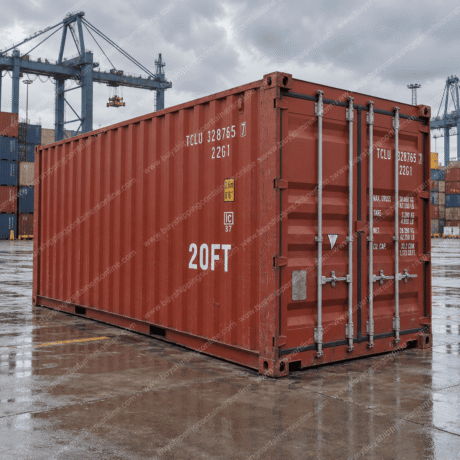
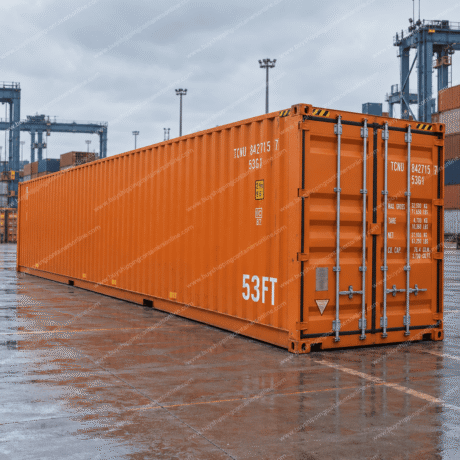


buy shipping container michigan
Price range: 1,180.00$ through 12,800.00$


buy shipping container massachusetts
Price range: 1,180.00$ through 12,800.00$