
No products in the cart.
new


buy 24 ft storage container
If you want to buy 24 ft storage container options for business, construction, equipment, inventory, agricultural supplies, or general on-site storage, this category helps you compare suitable units in one place. A 24-foot container provides more usable storage length than many smaller units while remaining more compact than longer container configurations.
2,700.00$
Description
Buy 24 Ft Storage Container for Practical On-Site Storage
If you want to buy 24 ft storage container options for business, construction, equipment, inventory, agricultural supplies, or general on-site storage, this category helps you compare suitable units in one place. A 24-foot container provides more usable storage length than many smaller units while remaining more compact than longer container configurations.
A 24 ft storage container can be useful when a standard 20-foot unit does not provide enough room but a larger container would take up more space than your site allows. Buyers can use these containers for commercial storage, equipment organization, inventory, tools, materials, and other legitimate storage applications.
Before purchasing, review the individual product listing carefully. Condition, configuration, doors, dimensions, features, and other details can differ between containers.
For general background on the design and uses of Shipping Containers, buyers can also review how these steel units are commonly used for freight and storage applications.
Understanding 24 Ft Storage Containers
A 24-foot storage container is a steel container with an overall nominal length of approximately 24 feet. It provides additional floor space compared with a typical 20-foot container and can be considered by buyers who need a middle-ground storage solution.
Because 24-foot units are less standardized than common ISO freight-container lengths such as 20 feet and 40 feet, specifications can vary. Some units may have been purpose-built for storage, while others may have different histories or configurations.
For this reason, do not select a container based on length alone. Check the individual product information for exact dimensions, condition, door arrangement, flooring, modifications, and other relevant details before ordering.
Who May Need a 24 Ft Storage Container?
These containers can suit a wide range of customers, including:
- Construction companies storing tools and materials
- Farms storing equipment and supplies
- Businesses managing excess inventory
- Workshops requiring organized equipment storage
- Contractors needing on-site storage
- Manufacturers storing parts or materials
- Retail operations requiring additional stock space
- Property owners needing practical storage
- Commercial sites storing seasonal equipment
The right choice depends on what you intend to store, how frequently you need access, and how much usable space is available at the placement site.
24 Ft Storage Container Options
When comparing 24-foot storage containers, consider the actual configuration rather than assuming every unit is identical.
Newer or One-Trip Containers
Where offered, newer or one-trip units may appeal to customers who place greater importance on overall appearance and limited previous service.
Review the specific listing to confirm the stated condition and features.
Used Storage Containers
Used containers can be considered when appearance is less important than practical storage capability. Wear, surface rust, dents, paint condition, flooring, doors, and seals can vary considerably between individual units.
Always review the condition description before purchasing.
Modified Storage Containers
Some storage containers may have modifications such as additional doors, ventilation, windows, shelving, or other features. Availability depends on the specific product.
A modified configuration may be useful when the container will serve a specialized commercial or operational purpose.
24 Ft Storage Container Size and Configuration
A 24-foot container offers a different balance of capacity and site footprint compared with more common container lengths.
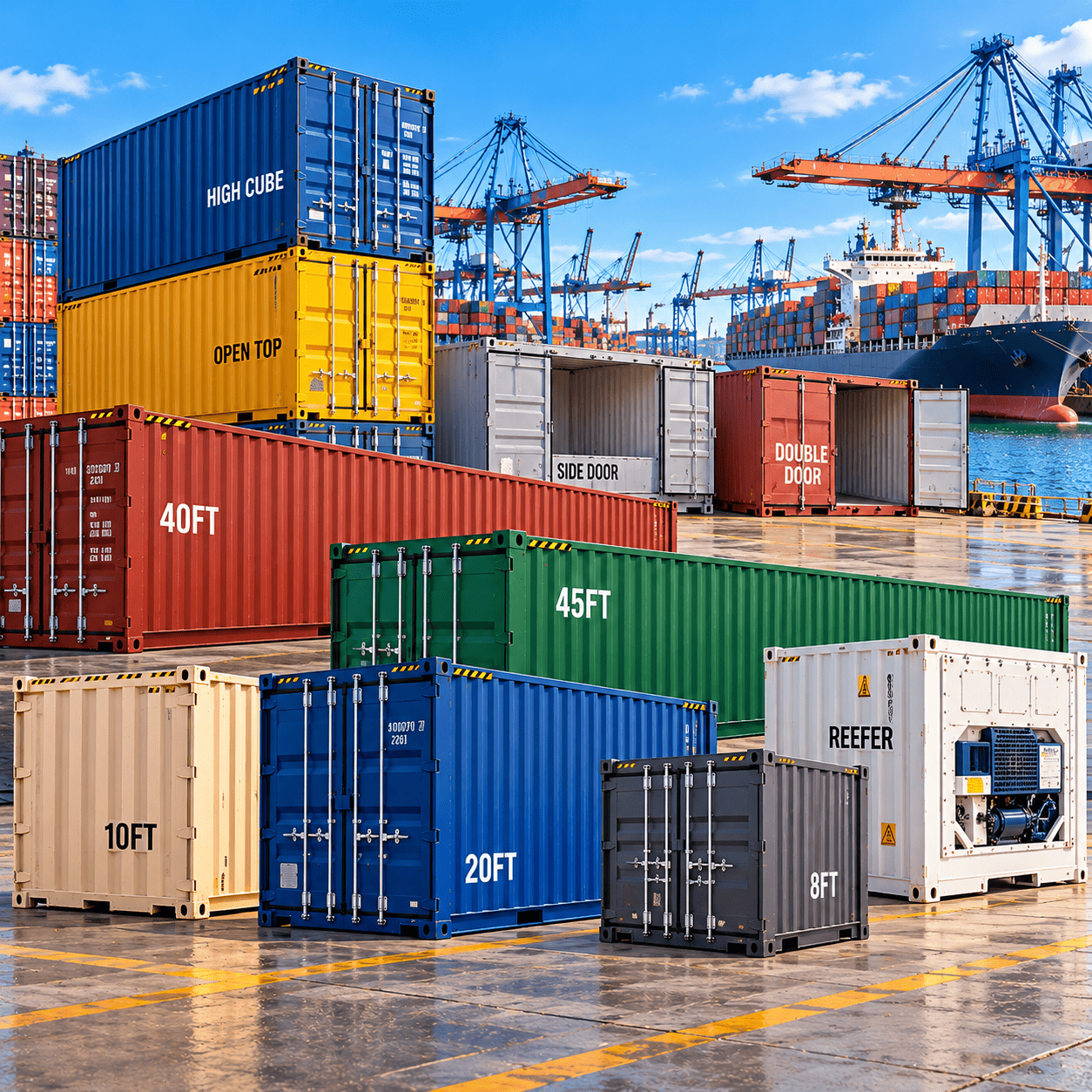
For context, buyers often encounter container sizes such as:
- 10-foot containers: Compact units suited to sites with limited space.
- 20-foot containers: A widely recognized container size used for storage and cargo applications.
- 24-foot containers: An intermediate-length option that provides additional storage space beyond a 20-foot unit.
- 40-foot containers: Longer units for customers who require substantially more capacity.
- 40-foot high cube containers: Longer containers with additional height compared with corresponding standard-height configurations.
Not every size or configuration is necessarily available in this category.
When choosing a 24 ft storage container, consider both external footprint and usable interior space. Exact measurements should always come from the individual product specification because dimensions and modifications can vary.
Key Features to Evaluate Before Buying
A container should fit both your storage requirements and your site. Important features to evaluate include:
- Steel construction: Shipping and storage containers commonly use steel structures designed for demanding cargo and storage environments.
- Doors: Check the number, position, operation, and condition of the doors.
- Locking points: Review the supplied locking arrangement and determine whether additional security equipment is appropriate.
- Flooring: Inspect or review the stated floor condition, particularly when storing heavy equipment or sensitive inventory.
- Door seals: Check their stated condition when protection from weather exposure matters.
- Ventilation: Consider airflow requirements based on what you plan to store.
- Interior clearance: Make sure stored equipment, pallets, machinery, or materials can fit through the doors and inside the container.
- Condition: Compare new, one-trip, used, cargo-worthy, or other stated conditions only when those options appear in the relevant listing.
- Modifications: Check whether doors, vents, windows, shelving, or other alterations are included.
Do not assume a container has a particular certification, structural rating, or documentation unless the product information specifically confirms it.
Common Uses for 24 Ft Storage Containers
Construction Storage
Construction companies and contractors can use containers to organize tools, equipment, building materials, and job-site supplies. A container placed near the work area can also reduce the need to move frequently used equipment to another storage facility.
Commercial Inventory Storage
Businesses may use a 24-foot storage container for excess inventory, packaging materials, equipment, seasonal products, or other supplies.
Agricultural Storage
Farms and agricultural businesses can consider containers for appropriate tools, equipment, spare parts, and non-perishable supplies.
Equipment and Tool Storage
Workshops, contractors, maintenance companies, and industrial operations may need additional space for equipment that cannot be conveniently stored inside existing buildings.
Temporary Storage
A container can provide additional storage during renovations, construction projects, business expansion, or changes in inventory requirements.
Manufacturing and Industrial Use
Industrial buyers may use suitable storage containers for parts, materials, tools, maintenance equipment, or other operational supplies.
How to Choose the Right 24 Ft Storage Container
Buying the right container starts with understanding exactly what you need to store.
1. Calculate your storage requirements.
Estimate the amount and dimensions of the equipment, inventory, or materials going inside.
2. Confirm the container size.
Make sure a 24-foot unit offers enough capacity without creating unnecessary placement or access problems.
3. Determine the required condition.
Consider how appearance, previous use, structural condition, and your budget affect the type of unit you need.
4. Consider the intended use.
Storage requirements can differ from transportation requirements. Select a container whose specifications are appropriate for its intended application.
5. Check your location and placement area.
Measure the site before purchasing. Account for the container footprint and the space required to access its doors.
6. Review site access.
Consider gates, roads, overhead obstacles, ground conditions, turns, and other factors that could affect delivery or placement.
7. Evaluate delivery requirements.
Container delivery can require suitable access for the delivery vehicle and unloading method.
8. Consider your cargo or stored goods.
Different items can have different ventilation, security, moisture, clearance, and flooring requirements.
9. Compare your budget.
Shipping container prices can vary according to condition, configuration, market factors, location, and other variables.
10. Review required features.
Determine whether you need particular doors, ventilation, security features, interior clearance, or modifications.
Important Buying Considerations
Before purchasing a 24 ft storage container, check the product details and your site carefully.
Pay particular attention to:
- Exact exterior dimensions
- Interior dimensions where provided
- Door opening dimensions
- Container condition
- Structural condition
- Flooring condition
- Door operation
- Door seals
- Visible rust or corrosion
- Existing modifications
- Ventilation
- Placement surface
- Delivery access
- Transportation requirements
- Documentation where applicable
You should also check applicable local rules before placing or modifying a storage container. Planning, zoning, building, or property requirements can differ by location and intended use.
A suitable placement area should also be evaluated before delivery. Ground conditions and site accessibility can affect how a container is positioned and used.
Compare 24 Ft Storage Containers for Sale
Customers researching 24 ft storage containers for sale should compare more than price.
Start with the intended application. A container used for tools on a construction site may have different requirements from one used for commercial inventory or agricultural equipment.
Then compare the container’s stated condition, dimensions, configuration, doors, flooring, access, and available features.
Shipping container prices can vary, so review the individual listing rather than assuming that every 24-foot unit will cost the same. Condition, configuration, modifications, transportation, and market factors may affect the total purchase cost.
Customers searching for shipping containers online should also consider delivery logistics before completing an order. Confirm that the intended site can accommodate both the container and the equipment needed for delivery or placement.
Why Purchase From Buy Shipping Containers Online?
Buy Shipping Containers Online is designed to make researching and purchasing containers more straightforward.
Customers can browse container options, review available product information, compare configurations, and identify products that match their intended applications.
This approach is particularly useful when comparing shipping containers for storage, commercial projects, cargo-related applications, construction, agriculture, and other practical uses.
Rather than choosing a container based only on price or appearance, use the available product details to compare the factors that matter for your project.
Find the Right 24 Ft Storage Container
A 24-foot storage container can be a practical choice when you need more space than a smaller unit but want to avoid the footprint of a much longer container.
Review available products, compare dimensions and condition, check the relevant specifications, and consider delivery and placement requirements before purchasing.
When you are ready to compare current options, Buy shipping containers online and select a container that matches your storage requirements, available space, and intended application.
7. FAQs
What is a 24 ft storage container?
A 24 ft storage container is a steel storage unit with a nominal length of approximately 24 feet. Exact dimensions, construction details, and configurations can vary, so buyers should review the specifications of the individual container.
Why choose a 24-foot container instead of a 20-foot container?
A 24-foot unit can provide additional storage length for buyers who find a 20-foot container too small but do not require a substantially longer unit. Site space, access, stored items, and required capacity should guide the decision.
Are 24 ft storage containers suitable for commercial storage?
They can be suitable for many commercial applications, including equipment, tools, inventory, materials, and supplies, provided the selected container’s condition and specifications are appropriate for the intended use.
What should I check before buying a 24 ft storage container?
Review dimensions, condition, flooring, doors, seals, corrosion, ventilation, modifications, access requirements, delivery considerations, and any documentation relevant to your intended use.
How much does a 24 ft storage container cost?
Prices can vary according to condition, configuration, modifications, market conditions, location, transportation, and other factors. Review the current product listing for applicable pricing rather than relying on a general estimate.
Can a 24 ft storage container be delivered?
Delivery depends on the seller’s available options, destination, site access, and placement requirements. Review the relevant product or delivery information before purchasing.
Is a 24 ft container a standard shipping-container size?
Twenty-foot and 40-foot units are among the most common standardized freight-container lengths. A 24-foot unit is less standardized, so dimensions and specifications should be confirmed from the individual product listing.
How do I choose the right storage container size?
Estimate what you need to store, measure the available site, consider door and loading access, and allow for future storage needs. Compare those requirements with the stated interior and exterior dimensions of the container.
Reviews (0)
Reviews
There are no reviews yet.


buy secure storage container
2,700.00$

buy storage containers columbia
2,700.00$



-
(0 customer reviews)